
UGA Radon and Georgia Public Libraries bring radon education closer to home
For many Georgians, their local public library is a place to borrow books, access technology, attend community programs and find trusted information. For the past three years, the University of Georgia Radon Program and the Georgia Public Library System (GPLS) have also worked together to make radon education and monitoring more accessible through Georgia’s public libraries.
UGA Radon Educator Rebecca Cantrell recently presented to library directors about radon, its potential health effects and how libraries can connect their communities with radon resources.
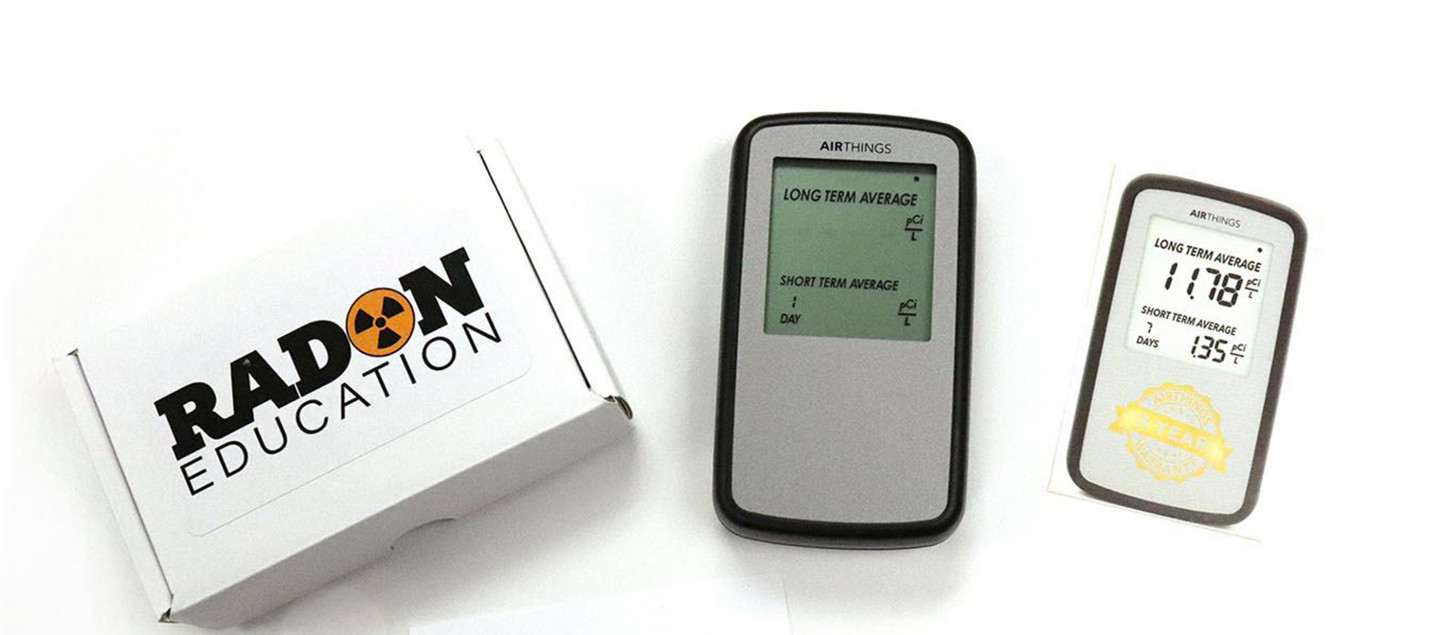
The presentation also highlighted the ongoing Digital Radon Monitor Loan Program, a partnership between UGA Radon and GPLS that allows participating libraries to make digital radon monitors available for patrons to check out for free through the library’s normal lending process.
The goal is straightforward: give more Georgians an opportunity to learn about radon, monitor the levels in their homes and understand what their results mean.
Understanding the invisible risk
Radon is a naturally occurring radioactive gas produced as uranium in rocks and soil breaks down. It is odorless, colorless and tasteless, making it impossible to detect through sight or smell.
“You can’t know whether you have elevated radon in your home just by looking at your house. The only way to know is to test,” Cantrell said..
Radon can enter buildings through cracks and openings in foundations and can accumulate in the lowest levels of a building.
Radon is also not limited to a particular type of home or community. New and older buildings, as well as rural, suburban and urban properties, can have elevated radon levels. Seasonal changes can also affect radon concentrations.
In Georgia, radon is a statewide concern, with elevated levels particularly common in the northern half of the state and especially in northeast Georgia. According to UGA Radon data, 20% of homes tested in Georgia have elevated radon levels.
The only way to know whether a building has elevated levels is to test.
Why radon matters
Long-term exposure to elevated levels of radon can damage lung tissue and increase the risk of lung cancer. Radon is the leading cause of lung cancer among nonsmokers, and the risk associated with radon exposure is substantially higher for smokers and former smokers.
When radon enters a building, it breaks down into radioactive particles. These particles can attach to dust in the air and be inhaled, potentially becoming lodged in the lungs. Repeated exposure to the radiation from these particles can damage lung tissue and DNA over time.
Radon does not cause immediate symptoms, making testing particularly important.
The good news is that radon is both detectable and fixable.
The U.S. Environmental Protection Agency (EPA) action level for radon is 4.0 picocuries per liter (pCi/L). When radon levels are elevated, mitigation systems can draw radon from beneath a home or building and divert the gas outside using pipes and fans.
Bringing monitoring into public libraries
The Digital Radon Monitor Loan Program gives Georgians another way to access radon monitoring equipment.
Libraries make digital radon monitors available for checkout. Patrons can check out a monitor and use it in their homes for at least 14 days, providing an opportunity to learn more about their home's radon levels without having to purchase a digital monitor themselves.
“Libraries are already trusted sources of information in their communities," Cantrell said. "We want to make it easy for them to connect patrons with radon monitors and reliable information without asking library staff to become radon experts."
UGA Radon provides radon education and expertise, answers radon questions, offers guidance about the monitors, develops educational materials and outreach resources, provides free radon education classes and supports libraries with program questions and concerns.
Libraries provide the community connection. Their responsibilities include making monitors available for checkout, following their normal library checkout procedures, maintaining the monitors as part of their collections and directing technical radon questions to UGA Radon.
This division of responsibilities allows libraries to provide a valuable community resource while knowing that expert support is available when patrons need it.
Continuing to improve the program
After three years of the Digital Radon Monitor Loan Program, UGA Radon continues to look for ways to make participation easier for both libraries and their patrons.
One of those efforts is the development of a Library Radon Toolkit. The toolkit will provide resources designed specifically for library staff and patrons, including a staff reference guide, patron handouts, signage and posters, social media posts, information about free UGA Radon classes and contact information for additional support.
Education is another piece of the partnership
The monitor program is one component of UGA Radon’s broader educational outreach.
UGA Radon offers free radon education classes for homeowners, providing information about what radon is, its health effects, where radon is found, how to test, how to understand radon results, and what options are available when elevated levels are detected. Free radon education classes are also available for real estate professionals.
Libraries can help connect patrons with these educational opportunities and other community resources, while UGA Radon provides the expertise, education, materials and ongoing support.
Together, the partnership creates more opportunities for Georgians to learn about radon, test their homes, understand their results and take action.