
UGA’s inaugural trip to Peru to explore the Sustainable Fashion Supply Chain of Alpaca / Farm to Fashion, the journey of Peruvian Alpaca
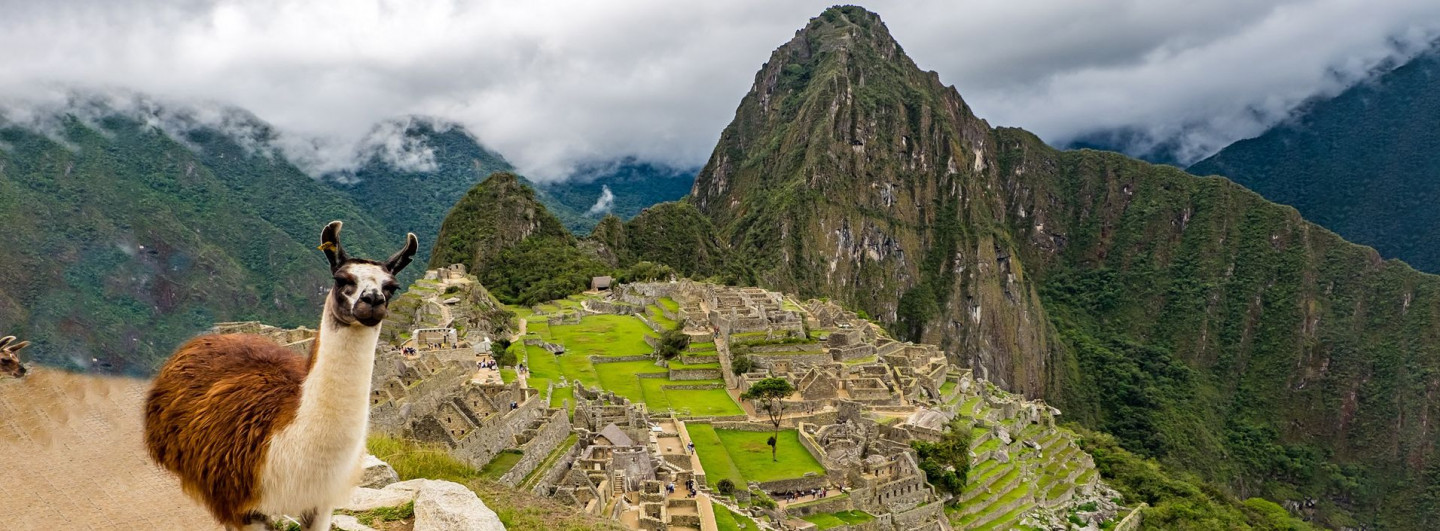
Breathtaking! Three miles above the sea, the air is so clean it seems that you can see forever. And yet, the air is so thin that it is difficult to say whether your head is spinning from the surrounding beauty or from the lack of oxygen. This is Peru. More precisely, this is Machu Picchu and many of the other Inca treasures contained therein.
A dichotomy seems to exist throughout Peruvian culture. Our recent exploration of the Sustainable Peruvian Alpaca Supply Chain is a great example.
Three faculty members, led by fourteen Fashion Merchandising scholars from the University of Georgia undertook a once in a lifetime adventure to trace the entire supply chain from the animals to the consumers, in their natural habitats. This is known as the Sustainable Fashion Supply Chain of Peruvian Alpaca. It is one of the many stories of Farm to Fashion. Our goal, to raise awareness of the fascinating opportunities Alpaca offers to the World of Fashion.
Where is the dichotomy you may well ask? Alpaca is entrenched in the rich cultural history of the Peruvian people. Textiles and apparel have been part of their society for thousands of years. The difference is the old and the new. Many of the ancient traditions have been maintained to this day. Many have been blended into modern methods and technology.
Alpacas are bred and nurtured on small farms high in the Andes in herds of fifty to one hundred and fifty just as they were in olden times. The relaxed rural routine allows each alpaca to enjoy a stress-free environment which in turn yields finer fleece and natural coloration to occur. They are respected as both a pet and a contributor to the success of the farm. The palette of naturally occurring colors that alpacas develop is rich in earthen tones and eliminates the need for toxic dyes and the waste of precious water.
The gentle harvesting of the alpaca fiber is done once a year during Spring so that the animals may enjoy the warmer summer months without their heavy coat. Farmers are rewarded for this human treatment with a premium price for the fleece that has the finest fibers and variety of colors; most notably black. The farmer’s earnings allow them to maintain their cultural heritage in the mountainous regions of the Andes dating back centuries.
This respect for legacy continues throughout the manufacturing process as the harvested fibers are hand sorted and separated by fineness and color before being spun into the appropriate yarns for a wide assortment of products. Even the coarsest fibers are utilized in developing light weight insulations, which are superior to much of the non-sustainable products globally available.
Traditionally, the insulating characteristics of the hollow fiber alpaca has been utilized in products made for cooler climates. Recent awareness has grown through the development of new lightweight products that are desirable in warmer climates. The warming benefits of the hollow alpaca fibers also provide cooling benefits in lighter weight fabrications. This is an area that is just beginning to be explored and begins to blur the lines between the old traditional systems and modern technologies.
Time tested methods utilizing natural organic dyeing processes, hand spun yarns, and the knitting and weaving techniques of their ancestors provide the local markets with an ample supply of products to meet the demands of a strong international tourist industry. These labor-intensive techniques provide employment opportunities and shelter for many individuals that have suffered human rights abuses.
Newer technologies prevail in the manufacture of products that are sold by Brands and Retailers globally. Peruvian alpaca is perfectly situated to complement the vogue of sustainability and luxury that permeates the Fashion Industry today, at competitive prices.
Utilizing an optimal blend of traditional methods with state-of-the-art technologies, the manufacturers in Peru offer compelling opportunities to develop high value products for consumers worldwide. Many famous fashion brands have already begun exploring the advantages of developing this supply chain as part of their sourcing strategy. Compelling products combined with expertise in small lot production and short product cycles allows manufacturers to offer something that the global competition is missing. Creating an opportunity that is well worth exploring.
The White Papers are the impressions of our students during their exploration of the Alpaca Supply Chain in Peru
If you would like more information regarding our adventures in Peru, please let me know. Greg