-

Nadia Abdallah
Ph.D. Candidate & Graduate Teaching Assistant
Fashion Sustainability
Fashion Design Education in Global South
Women's Studies
Product Design and Development
-

Shana Adise
Assistant Professor
Dr. Adise and her team study how weight gain and eating behaviors affect the developing brain of children and adolescents. We are especially interested in understanding why some people gain weight more easily than others and how obesity may influence brain function during childhood and adolescence.
Research has shown that obesity and overeating can be linked to changes in how the brain works, particularly in areas that help with decision-making and self-control. This means that difficulties in these brain processes might make it harder for some people to make healthy food choices. However, we still do not fully understand how these relationships develop or why they persist.
To investigate these relationships, our lab uses a variety of tools such as neuroimaging (e.g., magnetic resonance imaging [MRI]), computational models, cognitive assessments and eating behavior. If you are interested in the field of Nutritional Neuroscience, please feel free to reach out for more information!
Our work is important because some programs that aim to improve self-control or decision-making have helped people lose weight, but their effects have not lasted long. This may be because we do not yet have a complete picture of how brain development and weight gain are connected. Since obesity is a serious health condition that can also affect thinking and memory later in life, our work focuses on identifying how weight gain impacts brain development, and how early interventions might promote healthier body weight and better brain function.
You can read more about our research by going here: www.drshanaadise.com
Dr. Adise is currently recruiting a PhD student and Lab Manager
-

Alex Kojo Anderson
Professor
My research focuses on the nutrition of women and infants, infant and young child feeding, breastfeeding promotion and protection, growth of infants and children, body composition of infants, children and pregnant women, as well as community and international interventions for nutrition and health. I have expertise in both qualitative, quantitative and nutritional research methods. I am currently involved in a multi-site research project evaluating parental practices supporting positive eating behaviors during independent eating occassions among early adolescent children. With funding from the Bill & Melinda Gates Foundation as a consortium to develop and use technology for dietary assessment in low- and middle-income countries. The focus of this Gates Foundation funded project is to validate passive technologies for the passive dietary assessment. For more information, see the Maternal and Child Nutrition Laboratory.
Examining animal milk feeding as alternative to breastfeeding in infant feeding of women of childbearing-age in the United States
As part of the Innovative Passive Dietary Monitoring System Project, we are examining the validity of the Automatic Ingestion Monitoring (AIM) device, eButton, eHat and the FoodCAM for dietary assessment and nutrient intake in Ghana.
-

Patricia Annis
Associate Professor Emerita
My primary research area is the development of methods and instrumentation for the analysis of textile materials. Our laboratory has designed, constructed, and tested a machine called the Robotic Transfer Replicator. This machine is capable of reproducibly transferring microorganisms, allergens, and other toxic particulates from carpet, smooth floors, upholstery, and drapery to skin-like materials. The data from these transfers are being used to determine how transfer is affected by the properties of the materials and the particulates and microorganisms. My laboratory also provides various textile analyses for commercial textile firms.
-

Kristy Archuleta
Professor, Betsy Barnard Sages Professorship in Financial Therapy and Financial Planning
Dr. Archuleta has an established international reputation in the area of financial therapy. This area integrates psychological, relational, and financial factors affecting individual, couple, and family well-being.
-

Rabeeh Azarmehr
PhD Candidate and Graduate Research Assistant
My research interests are mainly focused on childhood adversity and the underlying psychosocial mechanisms that can affect youth’s mental health and adjustment. Particularly, I am focusing on the association of adversity with brain networks and substance use positive expectancy.
-

Diane Bales
Professor, Extension Human Development Specialist, and Child Life Program Director
I conduct applied research to evaluate the effectiveness and short- and long-term impact of outreach programs on early brain development, supporting youth and adults with mental health challenges, healthy eating and physical activity for young children, and other topics.
Brain Development
The focus of this effort is to increase use of brain development research to provide appropriate care and nurturing for young children. This effort includes co-leading the Georgia Better Brains for Babies (BBB) initiative, training BBB educators, and developing and disseminating print and online resources on early brain development. BBB training has been adopted by Extension professionals in three states (Georgia, Kansas, and Illinois), and efforts to expand into Tennessee are currently underway. A total of 8 different outreach products were developed as part of this effort.
Preventing Opioid Misuse in Rural Georgia
This is a USDA Rural Health and Safety grant-funded collaboration of Extension professionals and opioid researchers in Public Health, Pharmacy, and Public Affairs to pilot-test community-based interventions to build family strengths, increase community awareness of opioid misuse, and help professionals identify and manage opioid misuse in youth and adults. Current efforts include county needs assessment, developing and implementing programs in 4 rural counties, and evaluating the effectiveness of these programs. This project began in September 2019.
Farm and Farm Family Stress (Southern Agriculture Exchange - SAgE)
This is a multi-state USDA NIFA grant-funded collaboration, headed by the University of Tennessee, to support farmers and farm families experiencing stress. The project includes Mental Health First Aid, Youth Mental Health First Aid, and Question-Persuade-Refer (QPR) training for a variety of audiences working in agriculture, the AgriLeadHER project for women in agriculture, and many other projects.
Nutrition and Physical Activity in ECE
Healthy Child Care Georgia (HCCG), a component of the UGA SNAP-Ed grant, helps ECE programs reduce children’s risk of obesity through policy changes and direct education for teachers, children, and families. The project includes a teacher-implemented 6- curriculum to teach preschoolers nutrition and physical activity, as well as family newsletters and activity bags. The project has reached ECE programs in Clarke, Oconee, Madison, Elbert, Walton, and Fulton Counties, and will expand to additional counties in 2023 and beyond. This multi-year project is funded with UGA SNAP-Ed funding.
-

Evelyn Barrales
Ph.D. Student and Graduate Research Assistant
Evelyn's research aims to uncover within-group differences among Latine/x families, investigate the influences of biculturalism on the development of Latine/x families, and explore gender identity development among Latina emerging adults and its impact on their mental health. She approaches her work from an intersectional, strengths-based perspective, with the goal of producing translational research that informs clinical practice with Latina emerging adults and their families.
-

Alison Berg
Professor and Extension Nutrition and Health Specialist
Alison's current research involves evaluating community Extension education programs to improve nutrition behavior for the prevention and management of chronic disease, including obesity, cardiovascular disease, diabetes, and some cancers. Another emphasis of her work is translational research to study the implementation of evidence-based interventions, including the National Diabetes Prevention Program (DPP) through the Cooperative Extension model.
My research centers on community-based health promotion and chronic disease prevention, with a focus on implementation science and community-engaged approaches. I examine how Cooperative Extension systems, local resources, and participatory methods can improve health outcomes in rural and underserved populations.
A major emphasis of my work is translating evidence-based programs—such as the National Diabetes Prevention Program (https://site.extension.uga.edu/diabetes/dpp/)—into real-world settings. Using implementation science principles and frameworks like RE-AIM and the Consolidated Framework for Implementation Research (CFIR), I study factors influencing program adoption, fidelity, and sustainability, as well as key barriers and facilitators to improving physical activity and dietary behaviors.
I also investigate community capacity and resilience, exploring how trust, social networks, and local leadership affect engagement in health interventions. Projects related to community gardens and rural health partnerships reflect my interest in building environments that support long-term health.
Through mixed-methods research, I aim to inform practice and policy that enhance the reach and effectiveness of community health initiatives.
-

J. Maria Bermudez
Associate Professor
Dr. Bermudez's research program focuses on strength-based approaches to research and outreach for marginalized populations, specifically Latinx families and communities. She aims to conduct research that empowers and strengthens her local community.
As a scholar, she attends to developmental, intersectional, and contextual issues among immigrant and transnational families. Her research is informed by feminist, decolonizing, and culturally responsive methodologies and her primary research methods include community-based participatory research and qualitative research methods such as interpretive phenomenology and heuristic inquiry.
Other research interests include clinical training in Spanish and English, as well as innovative and creative approaches to narrative family therapy.Dr. Bermudez is currently analyzing data related to the interdisciplinary community-based participatory research project Lazos Hispanos, which she co-created with her colleagues Dr. Rebecca Matthew, Dr. Pamela Orpinas, and Dr. Carolina Darbisi at UGA. Specifically, she is conducting a heuristic inquiry focused on the lived experiences of the Lazos Hispanos promotoras/community health workers during the COVID-19 pandemic. She is also exploring how they continue to serve as agents of change using the skills learned from the Lazos Hispanos program to strengthen Latinx families in their communities.
She is also currently conducting a study using interpretive phenomenology to explore Latinx parents' perception (dyadic data) and meaning-making of their children's well-being and resilience.
-

Vibha Bhargava
Evaluation Specialist
My research focuses on understanding how various social, economic, and public policy factors influence health and health care decisions of individuals and families and ultimately their health and well-being across lifespan. Current research projects include several studies investigating the relationship between food insecurity and health outcomes in different age groups, investigation of the role of public assistance programs such as SNAP and Medicare in fulfilling health needs and improving overall well-being of individuals and families, analysis of effect of food insecurity on mental health status and expenditures of individuals and families, and a study of the relationship between health literacy and health care decisions of older adult.
-

Gajanan Bhat
Georgia Athletic Association Professor of Fibers and Textiles and Department Head
After earning his Ph.D. from Georgia Tech in textile and polymer engineering, Dr. Bhat joined the University of Tennessee, Knoxville (UTK) in August 1990, where his research covered nonwovens - melt blown, spunbonded and biodegradable, plastics recycling, nanotechnology, sustainable materials, and high performance fibers. As the director of UTNRL he has focused on production of nanofibers from thermoplastic polymers by meltblowing. Recently he joined UGA as the Head of the TMI department. Dr. Bhat has published more than 200 research papers and has three US Patents. He has served as the president of the Fiber Society and is also an active member of INDA, TAPPI and the Textile Institute.
My current research projects include: Melt Blown Nonwoves; Personal Protective Fabrics; Recycling of Textile Waste into Value-added Products; Cotton-based nonwovens and composites; Stretchable cotton nonwovens; Biodegradable/Compostable Meltbown Nonwovens for Filter media and othe Applications; Flushable Nonwovens; LightWeight Ballistic Materials with Improved Performance; Processing and Characterization of Carbon Fibers from Alternative Precursors.
-

Noel Card
Professor
My research interests are in developmental science and quantitative methods, and especially at the interface of these disciplines. My developmental interests are broadly within the domain of child and adolescent social development, with specific interest in aggression and peer victimization. My quantitative interests are in meta-analysis, structural equation modeling, analysis of longitudinal data, and analysis of interdependent data.
-

Mary Bell Carlson
Adjunct Faculty
My research centers around financial behavior, financial counseling, coaching, and therapy.
-

Andy Carswell
Professor
Dr. Carswell’s work covers a variety of housing-related topics, but he is particularly known for mortgage fraud and property management research.
-

Margaret Caughy
Georgia Athletic Association Professor in Family Health Disparities
I am Principal Investigator of the Dallas Project on Education Pathways (DPREP) funded by NICHD which explores the contextual, cultural, and family factors contributing to the development of self-regulation and academic achievement of African American and Latinx preschoolers experiencing poverty. We have been following this sample of over 400 children since they were 2.5 years old and recently completed the 8th wave of data collection, when the target children were in 7th grade. I am particularly interested in how familial processes such as supportive parenting and ethnic-racial socialization support healthy development among children experiencing contextual stressors such as economic instability, racism and discrimination, and sociopolitical stress. Video recorded interactions between the study children and their mothers as well as their fathers have allowed us to identify culturally-specific ways that African American and Latinx parents support healthy development in their children.
For more information, visit my lab website: https://www.sdcdlab.com/
Current funding:
NIMH 1R01MH135915, “Latinx mental health from early childhood through the transition to adulthood”, MPI, 25% [with K. Roche (GWU) and E. Calzada (UT-Austin)], Budget (total costs): $3,879,874 (2024-2029)
NICHD 1R01HD100557-01A1, “The role of fathering in the language development among young, low-income African American and Latino children”, PI, 30%, Budget (total costs): $3,196,051 (2020-2025)
NICHD 3R01HD100557 (supplement), “Developing culturally appropriate language assessment tools for low-income African American and Hispanic young children”, PI, 10%, Budget (total costs): $548,651 (2023-2025)
NICHD 2R01HD075311-04A1, “Self-regulation and the transition to middle school”, PI, 30%, Budget (total costs): $4,544,840 (2013-2024).
-

Philip Chase
Public Service Associate
Any research focus is re: disability issues, specifically intergrated employment.
-

Swarn Chatterjee
Department Head and Bluerock Professor of Financial Planning
My research focuses on three primary areas: Performance evaluation across different stages of the financial planning process; Examination of the association between financial well-being and health across geographic regions and populations; and Identification of factors that improve financial decision making among transitioning young adults and the elderly households. Here is a Knowledge Map of my published research.
My current research in progress includes: Measuring the value of financial advice across the different stages of the financial planning process; examining factors that are associated with greater financial resiliency among households recovering from an adverse financial event; and determining the association between household financial decision making and their food insecurity as well as food purchase behavior.
-

Caree Cotwright
Associate Professor
Childhood Obesity Prevention in schools and child care settings, Early Childhood Obesity Prevention Policy, Theater Based Nutrition Intervention
My research agenda focuses on promoting wellness best practices and policies in the ECE setting. The aim of my work is to: 1) assess current wellness practices in the ECE setting; 2) create training and interventions for child care providers and child care food service staff to increase healthy eating, wellness education, and physical activity in the ECE setting; and 3) assist ECE settings with creating wellness policies and plans of action to sustain changes long term. The overall goal of my work is to create healthy ECE environments to prevent obesity in our youngest children ages (0-5), while working to decrease health disparities among low-income and minority populations.
-

Sha’Mira Covington
Assistant Professor in Fashion
Dr. Covington's research explores the cultural, historical, social, and political significance of fashion and dress within the contexts of colonial domination, anti-colonial resistance, and processes of decolonization.
She brings a wealth of experience from her decade-long career in the fashion retail industry and based on her experiences, her work is deeply influenced by her dedication to decolonizing the industry. Dr. Covington is committed to challenging the traditional paradigms of the fashion-industrial complex by promoting ethical practices, advocating for equitable labor rights, and supporting sustainable production methods. In addition to her research pursuits, she is dedicated to mentoring the next generation of industry leaders and hopes to drive forward-thinking that addresses contemporary challenges in the fashion retail sector, with a focus on creating a more equitable and inclusive industry.
Dr. Covington is currently interested in the myriad of ways that Black women have used embodied modes as liberatory praxis.
Other research interests include:
- Black material culture and museums
- Racial representation within the fashion-industrial complex
- Ecofeminism/ecowomanism and fashion sustainability
- Afrofuturism and fashion sustainability
- Blackness and media
- Afro-Indigenous studies
- Dance performance, politics, and identity
- Black leftist thought and fashion
- Fashion and aesthetics as political tools
- Social justice pedagogy in fashion studies
- Contemplative and culturally sustaining pedagogy
- Race and decolonization pedagogy
- Critical analysis of corporate social responsibility
Dr. Covington is open to working with students and colleagues on interdisciplinary and adjacent projects to these areas.
-

Ginnefer Cox
Associate Professor
Dr. Cox’s research interests include sensory evaluation and product development, with an emphasis on ingredient reduction (sodium, fat, sugar) and utilizing functional ingredients and value-added foods. For more information, see the Sensory Evaluation and Product Development Laboratory.
-

Brenda Cude
Professor Emerita, Graduate Faculty
My current research focuses on consumers and information. One project looks at college students' financial literacy. Others look at consumers' insurance decisions.
I also am interested in research related to online consumer behaviors, consumer information, and consumer policy
Although I am retired, I continue to be an active researcher. I am working with a database that includes various data from college seniors: results (pre- and post) from a financial literacy knowledge test, data from the students' credit reports, and the results of various personality tests as well as financial stress tests. I'm also working on research projects related to insurance.
-
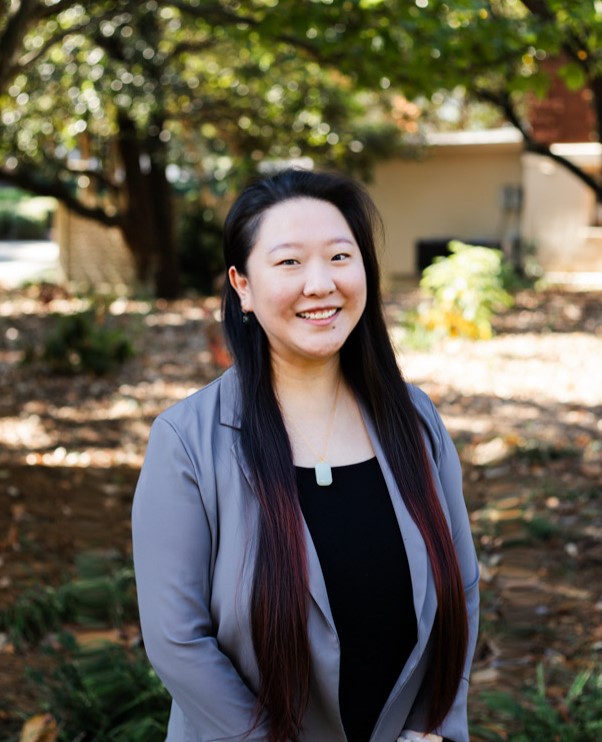
Shuangyue Cui
Graduate Research Assistant, PhD Candidate
My research centers on understanding and enhancing relationship functioning through couple relationship education (CRE), with a particular focus on high-risk and underserved populations. Grounded in social-cognitive and family stress theories, I examine how CRE impacts interpersonal dynamics—such as conflict management, affection, and partner perceptions—and how these changes influence relationship satisfaction over time. My work extends beyond romantic partnerships to explore how relational dynamics intersect with broader family systems, particularly in parenting and caregiving contexts. By adopting a dyadic and systemic lens, I aim to inform interventions that promote relational resilience and well-being across diverse family forms.
-

Sitara Cullinan
PhD Candidate & Dietetic Intern
Sitara is carrying out her dissertation research in the lab of Dr. Carla L. Schwan. Her work focuses on characterization of foodborne microbial hazard exposures for Athens communities of distinct socioeconomic and demographic profiles through fresh produce available in their respective neighborhood food environments. She is also currently working on designing and implementing a forward genetics approach to explore antibiotic resistance in Klebsiella pneumoniae and Enterobacter cloacae species complex isolates of foodborne provenance.
Project domains:
- Food safety microbiology
- Social and structural determinants of health
- Microbial genomics
- Antimicrobial resistance
-

Sam Cupples
Lecturer
My research focuses on the impact of Behavioral Finance on decision making processes in the area of Personal Financial Planning.
My current research includes two areas: (a) the association of personality on personal financial decision making, and (b) the association of financial risk tolerance on personal finanical decision making.
-
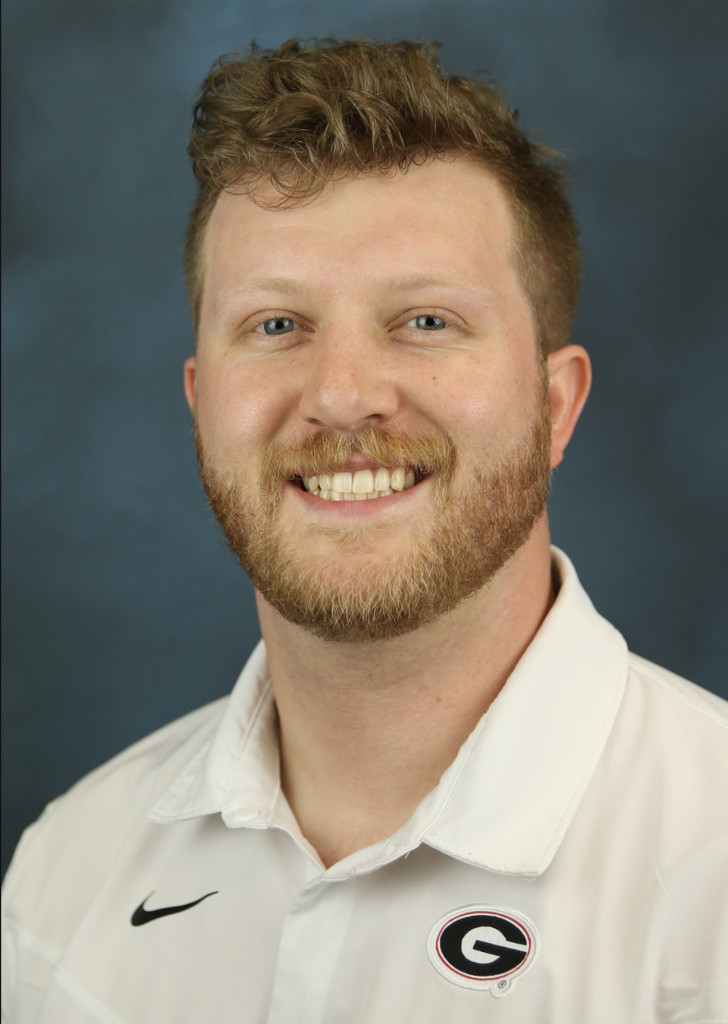
Camden Cusumano
Graduate Teaching and Research Assistant
Collegiate Financial Education
GA Chiefs of Police
Kareo
FloQast
AMP
Burnout
Work-life Balance
Quiet Quitting
Employee Well-Being
Employee Atrrition
-

Francisco Diaz
Ph.D. Candidate & Graduate Assistant
I am an economist trained at Universidad Veracruzana and hold a Master of Science in Financial Planning, Housing, and Consumer Economics. I have completed all Ph.D. coursework and am preparing to defend my dissertation, while continuing my research and academic activities in a remote setting.
My academic journey is driven by a strong interest in understanding economic behavior and promoting well-being through research and education. My research broadly examines housing access, housing segregation, and the use of housing assistance programs, as well as consumer financial behavior and the role of consumer education and cultural factors in shaping decision-making. These research contributions have been disseminated through presentations at academic conferences, as outlined below.
Oral Presentations
Diaz-Valenzuela, J.-F., & Skobba, K. (2025). Demographic characteristics and rental assistance use. Presentation at the Housing Education and Research Association Conference.
Diaz-Valenzuela, J.-F., Skobba, K., & Garcia, A. (2023). Hispanic renters: Comparison of demographic characteristics and use of rental assistance. Presentation at the American Council on Consumer Interests Conference.
Diaz-Valenzuela, J.-F., Holman, M., Zhang, Y., & Skobba, K. (2023). Local leaders’ perceptions of housing access and segregation in their communities. Presentation at the American Association of Family and Consumer Sciences Conference.
Poster Presentations
Diaz-Valenzuela, J.-F. (2025). Evaluating the effectiveness of questionnaire and educational videos: A university pilot study. Poster presented at the American Council on Consumer Interests Conference.
Diaz-Valenzuela, J.-F., & Cusumano, C. (2024). Consumer saving behavior: A multiclassification approach. Poster presented at the American Council on Consumer Interests Conference.
Diaz-Valenzuela, J.-F. (2022). Local views on housing access. Poster presented at the American Council on Consumer Interests Conference.
My research examines how educational, socioeconomic, and cultural factors shape consumer and family behavior, with an emphasis on decision-making and well-being. I study how individuals and families make lifestyle choices, and how education can encourage intention and informed decision-making across diverse populations. My overarching goal is to contribute to evidence-based strategies within consumer economics that promote sustained well-being through education, behavioral insights, and policy engagement.
Areas of Research Interest:
Housing segregation among minorities,
Consumer education and financial well-being,
Cultural influences on consumer behavior,
Public policy and equitable opportunities -

Yixuan Dong
Graduate Research Assistant
My research interests focus on understanding the interplay between parental factors and their role in shaping children's behavioral and socioemotional development, stress management, and regulatory processes. I am interested in understanding these dynamics and improving support for children's development, as well as the parent-child attachment relationships.
-

Kiana Drummond
Graduate Teaching & Research Assistant
Kiana Drummond is a PhD student in Financial Planning whose research interests include intergenerational wealth management, financial socialization, and improving planner-client relationships through innovative tools and techniques.
-

Jermaine Durham
Associate Professor of Housing and Community Development
My research focuses on understanding socioeconomic inequality in the United States, with a particular emphasis on housing policy and the built environment. Housing plays a central role in shaping people’s lives and communities, and it often reflects and reinforces inequalities related to income, race, gender, and place.
My work examines how housing and neighborhood conditions contribute to ongoing social and economic disparities, while also exploring how community organizing and development efforts can help disadvantaged communities strengthen local housing systems and improve quality of life. My scholarship includes applied research projects, professional reports, and journal articles that address critical housing and community development challenges.
As Director of the Center for Housing and Community Research, which houses the Georgia Initiative for Community Housing program, I connect research with public service and community outreach. Through ongoing collaboration with local leaders and stakeholders, my goal is to support communities in advancing equity, improving living conditions, and building long-term economic vitality.
-

Solmaz Es’haghloo-Galougahi
PhD Candidate & Graduate Teaching Assistant, President TMI/GSC
My research focuses on the rich cultural stories embedded in Oriental rugs, exploring their deep significance in Eastern traditions and their evolving presence in the United States. My academic journey began with a bachelor's degree in carpet and fabric design, which led me to study natural dyeing techniques essential to rug-making during my master's program. Moving to the United States was a turning point—it heightened my awareness of the cultural essence of these intricate weavings and inspired me to investigate how material culture is interpreted across different societies. This passion now drives my doctoral research, where I examine how rugs are used and understood, uncovering the diverse cultural perspectives that shape their meaning.
-

Heidi Ewen
Adjunct Faculty
My combined research and teaching agenda reflects a commitment to the biopsychosocial aspects of aging, stress & adaptation, housing, and relocation decision-making. I frame my teaching and research primarily from an interdisciplinary perspective largely built upon social psychology experimental paradigms. The majority of my scholarly work is on aging and environment, particularly aging-in-place and relocation decision-making, stress, and adaptation among older adults using a mixed methods research designs. I have analyzed data with basic univariate statistics, advanced multivariate statistics, and case study approaches.
-

Lu Fan
Associate Professor
My research interests include financial advice-seeking behavior, financial well-being, financial education and literacy, financial capability, and behavioral finance.
- Financial socialization and financial behavior and well-being of adults at different life stages
- Financial decision-making and behavioral finance
- The mechanism of financial well-being
- Young adults' financial capability, independence and life outcomes
- Cognitive abilities, psychological characteristics, and financial planning practices
- Financial worries and hardship and health outcomes
-

April Few-Demo
University of Georgia Foundation Professor in Family & Consumer Sciences and Department Head
As a feminist family scholar, her research embodies a longtime commitment to investigating how marginalized individuals and families experience social disparities and inequities as well as how they engage in decision-making processes toward resilience and well-being. Specifically, her research reflects a strengths-based examination of the interplay of relational and situational vulnerabilities and resiliencies as they relate to agency and personal power within the contexts of identity development, intimate partner violence, sexuality and decision-making. Dr. Few-Demo also has written about the utility of critical theories such as Black feminist theory, intersectionality, queer theory, and critical race theories in family science.
-

Joan Fischer
Professor Emerita
Dr. Fischer studies the role of bioactive compounds from plant foods in the reduction of oxidative stress and inflammation associated with the development of chronic diseases. For more information, see the Bioactive Compounds and Health Laboratory.
-

Megan Ford
Clinical Assistant Professor & Love and Money Center Director
- interdisciplinary training & experiential learning
- financial therapy
- couples and money conflict
-

Ted Futris
Professor & Extension Family Life Specialist
Director of Graduate StudiesAs director of the Couple and Relationship Enrichment (CARE) Laboratory, my research informs and evaluates educational programs and resources that promote healthy couple and coparenting relationships.
I direct a federally funded initiative, Elevate Couples Georgia, that is implementating the evidence-informed program, ELEVATE, to couples across Georgia. We are evaluating changes in indvidual and couple functioning and well-being following the program, and how these changes vary based on individual, couple, and program deliver (i.e., in-person vs. virtual) characteristics. To learn more about my active research projects, visit https://www.ugacarelab.org/
-

Jerry Gale
Professor Emeritus
PI on a project developing and testing a treatment protocol for an interdisciplinary approach to financial and relational stress. Also doing research on attachment of families with adopted children; meditation and family therapy, and premarital counseling and HIV-AIDS in Black Churches.
-
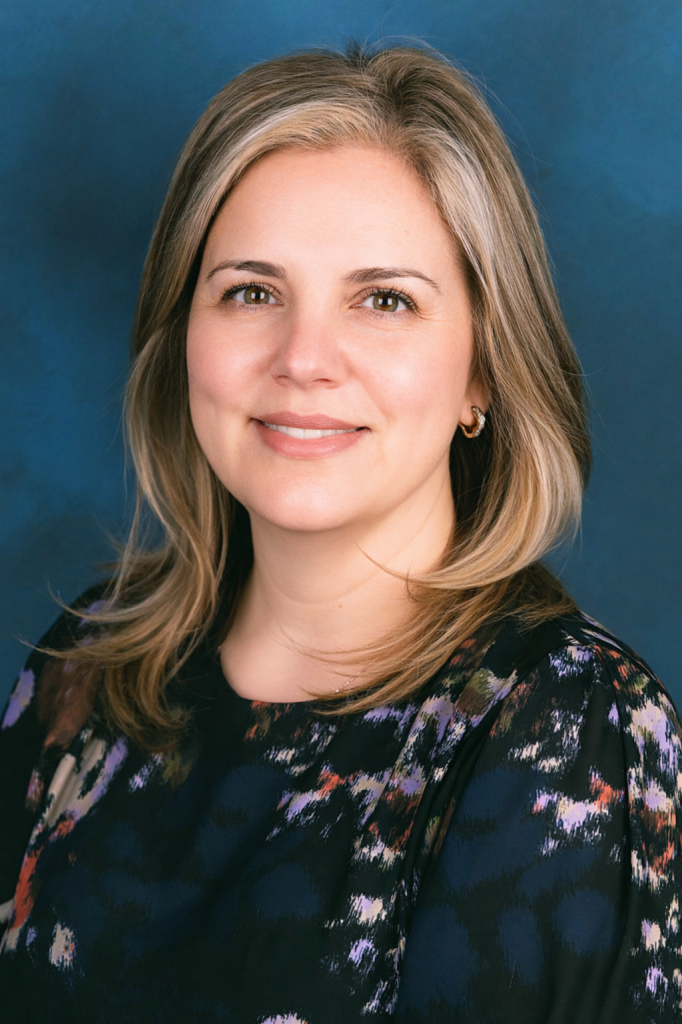
Sina Gallo
Associate Professor
Maternal and infant nutrition is related to child growth and later health as an adult. Hence, Dr. Gallo's research focuses on nutrition during the critical periods of development, from pregnancy to childhood. She has conducted seminal work on infant vitamin D requirements and continues to explore adherence and the appropriateness of current vitamin D recommendations for bone development. She is also interested in the diets of young children and how these relate to healthy growth. She works with vulnerable populations including those participating in the Supplemental Nutrition Assistance Program for Women, Infants and Children (WIC). For more information see the Prenatal & Early-life Approaches to Child Health (PEACH Lab).
-
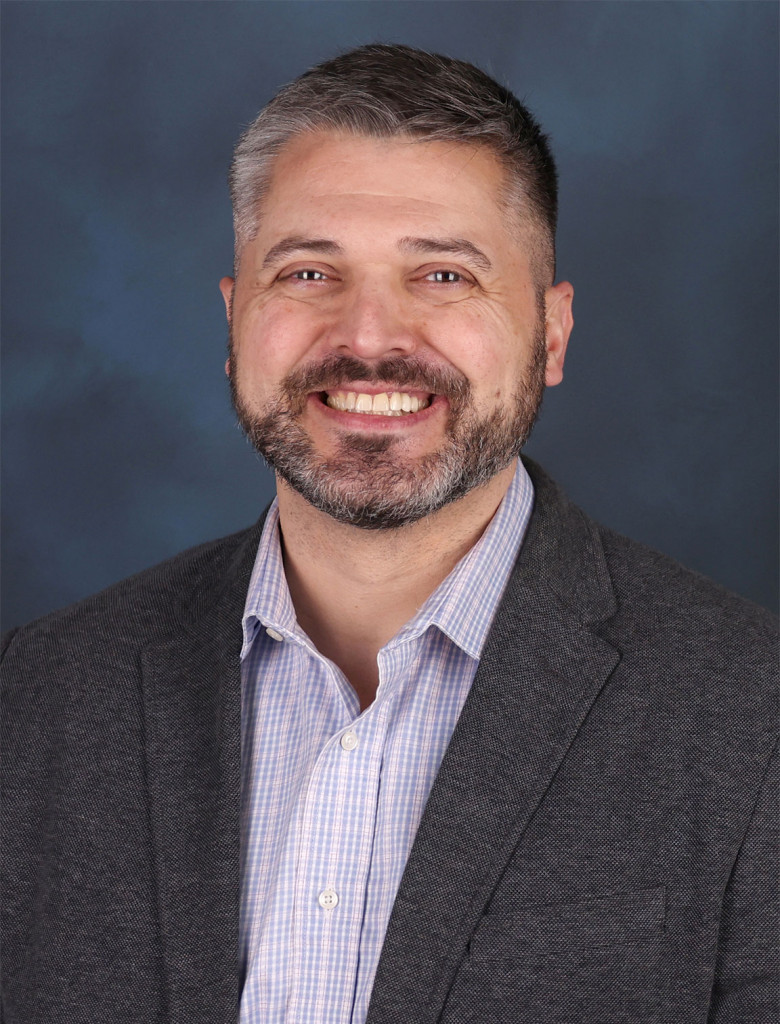
Charles Geier, Ph.D.
Associate Dean for Research and William P. Flatt Professor
We use behavioral measures (e.g., cognitive tasks, eye tracking) and multi-modal functional neuroimaging (e.g., task-based functional MRI, resting state fMRI) to examine (1) the normative neurodevelopment of reward and control-related brain systems during adolescence and young adulthood, (2) how the interaction of these systems contributes to health-related behaviors and illness, including consummatory behavior and obesity, smoking cigarettes, and depression, and (3) how initially reward- or goal-directed behaviors 'evolve' into habits in adolescents and young adults. We are particularly interested in applying advanced statistical methods (e.g., GIMME, time-varying vector autoregressive models, etc.) to acquired fMRI time series data to characterize intra-individual change and inter-individual differences in intra-individual change in brain connectivity between task-relevant regions of interest that underlie decisions and habits.
-

Joseph Goetz
Professor
- Implications of the fiduciary standard on the investment advice process
- Investment risk tolerance and risk perception factors in portfolio optimization
- Effectiveness of financial readiness and education programming for US Air Force
- Effectiveness of theoretically-based financial planning intervention models
- Implications of the fiduciary standard on the investment advice process
- Investment risk tolerance and risk perception factors in portfolio optimization
- Effectiveness of financial readiness and education programming for US Air Force
- Effectiveness of theoretically-based financial planning intervention models
-

Victoria Gonzalez
PhD Student
Undergraduate Honors Thesis- Fruits of One's Labor: An Analysis of Prescription Produce Programs and Community Gardening in Hispanic Communities
-

John Grable
Athletic Association Endowed Professor of Family and Consumer Sciences
My research interests include financial risk-tolerance assessment, behavioral financial planning, and financial decision making. My work tends to be applied and focused on helping consumers and financial service professionals navigate the increasingly complex financial marketplace. Working with colleagues in my Financial Planning Performance Lab, I am actively engaged in conducting evidence-based research.
My students and I are currently working on projects related to financial risk tolerance assessment. A separate line of research involves the clinical evaluation of financial planning practice standards and models.
-

Barbara Grossman
Clinical Professor Emerita
Dr. Grossman conducts research in the area of the scholarship of teaching and learning.
-

Alyssa Guadagni
PhD Candidate/DI Student
Alyssa is currently conducting her doctoral research in the Human Nutrition Laboratory under the direction of Dr. Jamie Cooper.
-

Benjamin Hampton
Ph.D. Student & Graduate Teaching Assistant
My research falls within the interdisciplinary field of financial therapy. This field integrates personal financial planning and mental health/psychology. My specific research interests include financial stress, financial anxiety, retirement satisfaction, guaranteed income (defined benefit pensions, annuities, and social security), money scripts, big five personality traits, and financial well-being.
-
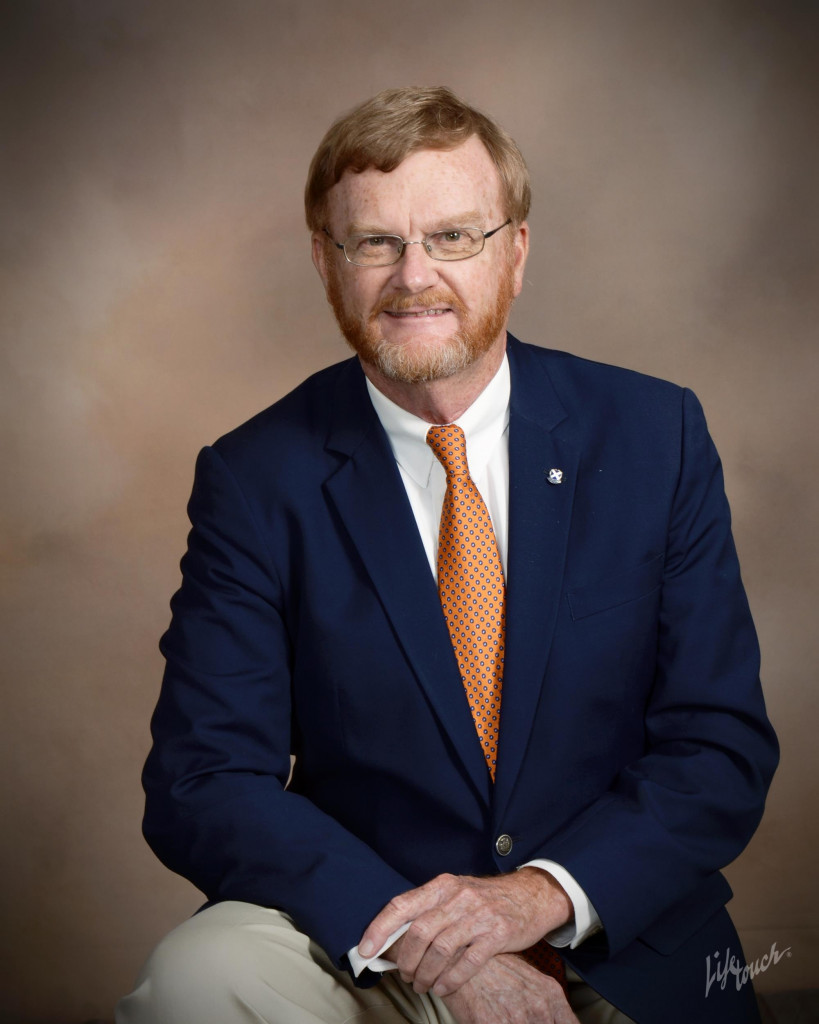
Ian Hardin
Georgia Power Professor of Textile Science Emeritus
Enzymatic treatments for textile chemical processing; environmental chemistry; nanotechnical development of fiber surface modifiers, including antimicrobials
-

James Hargrove
Associate Professor Emeritus
Research interests include health benefits of muscadine grapes and pecans, as well as computer-based modeling of change over time. Dr. Hargrove is not currently conducting laboratory research.
-

Kathryn Harmeyer
Graduate Student
Katie's research interests surround how early childhood adversity impacts neurobiological development and adolescent well-being. She is particularly interested in the impacts of unpredictability and in neurobiological vulnerabilities related to substance use. Katie is advised by Dr. Charles Geier and Dr. Assaf Oshri.
Previously, she has been involved in research on school violence, adolescent suicidality, and the intergenerational impacts of stress and intimate partner violence.
Katie also has significant experience in translational and community-engaged research and looks forward to continuing to integrate these passions in her ongoing work.
Katie is always open to answering questions from prospective graduate students. Reach out at kth00517@uga.edu
Katie is co-mentored by Dr. Assaf Oshri and Dr. Charles Geier and works as a research assistant at the Georgia Center for Developmental Science.
-

Dorothy Hausman
Senior Research Scientist Emerita
Prior to her retirement, Dr. Hausman was part of a multidisciplinary research team examining the impact of maternal obesity on maternal and fetal epigenetic responses to prenatal folic and supplementation and impact on early fetal growth. In this capacity, she was involved in coordinating the clinical aspects of the research and assessment of nutrient biomarkers. Dr. Hausman has also served as a core lab leader for the Georgia Centenarian Study Program Project, coordinating of nutritional biomarker assessment, and remains involved in data analysis and interpretation regarding predictors of nutritional status in centenarians. In addition, she has assessed vitamin D, vitamin B12/folate and other nutritional biomarkers in children, women of child-bearing age and older adults for collaborative projects both within and outside the FDN department.
Ongoing
Through limited part-time work with the CDC Foundation, Dr. Hausman continues her collaboration with the CDC DLS Biomarkers Branch in the development of materials for quality assessment of folate and other nutritional biomarkers and in coordinating communication with newly trained and existing laboratories interested in participating in a potential network of global resource laboratories certified in the performance of the folate microbiological assay.
-

Sarah Henes
Assistant Professor, Extension Nutrition Specialist/UGA EFNEP State Coordinator
As State Coordinator for UGA EFNEP (Expanded Food and Nutrition Education Program) my work focuses on both adult and youth community nutrition education, program evaluation, and community-based participatory research with limited resource families, pregnant women and teens, and youth (9th-12th grade). My research and programming also involves collaborating with other Extension and Department colleagues (SNAP-Ed, 4H), and developing a variety of community partnerships throughout the state for nutrition, health, and wellness.
Other areas of research include family based weight management interventions and utilizing my clinical and community nutrition background to develop programs and interventions for youth with overweight and obesity and their families, particularly in underserved populations. My research program also focuses on translating the science of energy balance and metabolism into the community and clinical setting not only through nutrition assessment. but in nutrition education so as to help all youth and their families learn nutrition concepts while also promoting dietary and nutrition/health behavior change
-
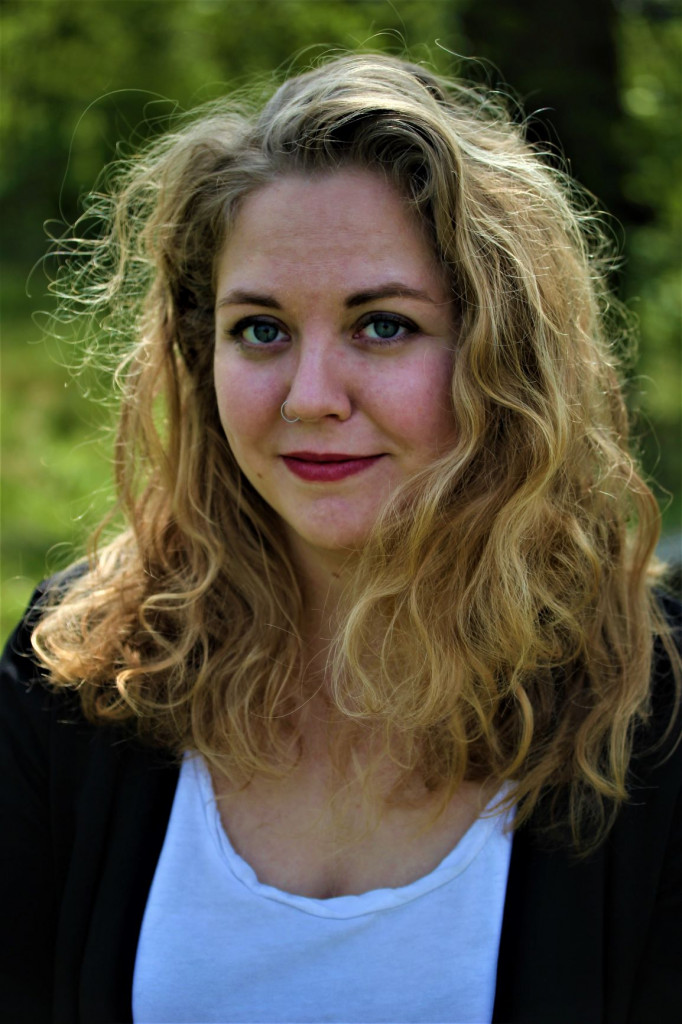
Elizabeth Hoggard-King
PhD Candidate and Sociology T.A.
Elizabeth brings her experience working in the Child Advocacy Center field as a child forensic interviewer and multidisciplinary investigative team facilitator to her research perspectives. Elizabeth is currently a teaching assistant for criminology courses in the Department of Sociology, though she continues to support the Institute on Human Development & Disability (IHDD) on paper development.
Elizabeth's previous research assistantships at UGA included working under the direction of Dr. Elizabeth Wieling on developing ecologically responsive multi-component systemic interventions for populations exposed to mass traumas, primarily for immigrant and refugee communities in the U.S. and in low-income post-conflict settings internationally. Elizabeth also worked for IHDD, under Dr. Zo Stoneman and Dr. Hamida Jinnah, on program evaluation research related to autism in higher education, autistic students' post-university outcomes, and disability in Georgia communities. Through these assistanthips, Elizabeth developed expertise in dissemination & implementation science.
Elizabeth's primary research interest is the role of traumatic stress and memory science in human rights practices. Specifically, the use of trauma-informed, developmentally appropriate, investigative interviewing techniques for eliciting accounts of trauma and violence that would constitute a need for international protection or prosecution (e.g., "credible fear" and refugee status determination interviews; investigation of atrocity crimes). Her developing program of research is focused on interventions that integrate culturally responsive implementation and dissemination to improve the practices of professionals interfacing with trauma-exposed populations in investigative contexts and improve child health and outcomes. She is most interested in the role cognitive components of child memory and ability may play, particularly in trauma-affected and/or neurodivergent children, and how investigative professionals interact with them. Currently, Elizabeth is working on three main independent projects: a study of forensic interviewer behavior and knowledge of child traumatic stress; the preliminary development of a theory of moral disengagement to support interventions on the behavior of State actors at the US Southern border; and a systematic literature review of autobiographical memory features in autistic children to inform investigative interviewer behavior.
-
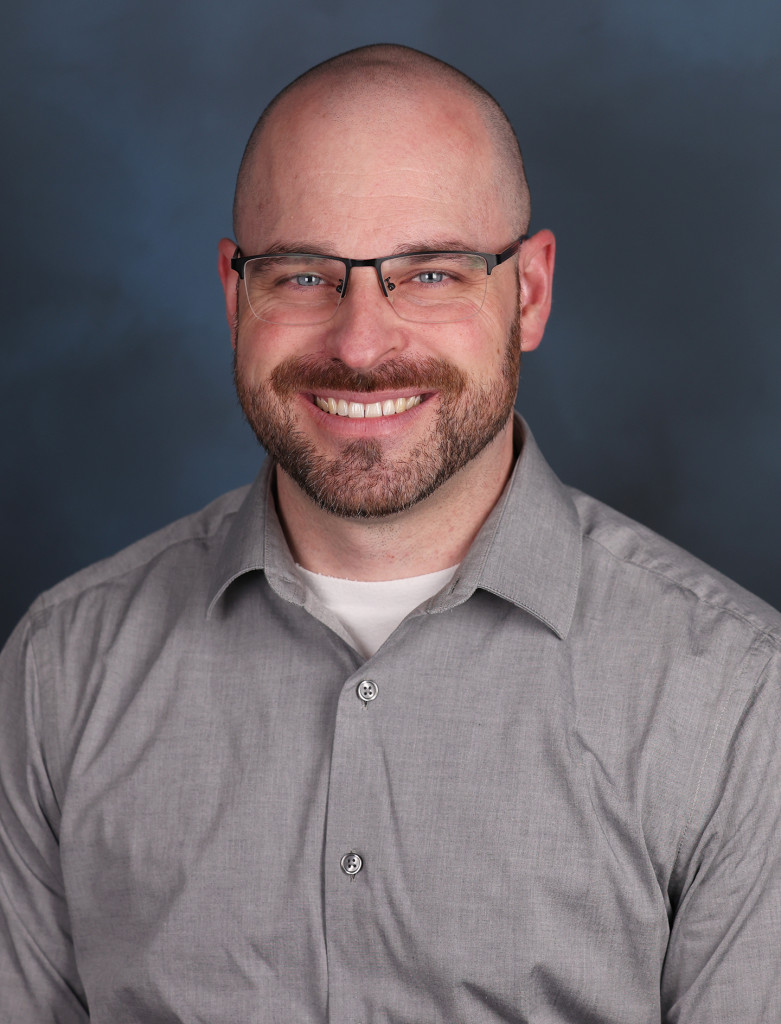
Cullin Howard
Postdoctoral Researcher
I am interested in how parenting behaviors from mothers and fathers interact with youth neurophysiology to foster socioemotional resilience. My research focuses on four key areas of neuroregulatory development: (1) stress activity patterns of the peripheral nervous system, (2) parent-child physiological coregulation, (3) the connectivity within/between functional brain networks, and (4) maturation of neural white matter tracts that underpin higher-order cognitive functions. Adopting a hormesis-informed developmental perspective, I examine these systems using a blend of quantitative approaches—including longitudinal SEM, multilevel modeling, time series analysis, meta-analysis, and nonlinear modeling—to identify the conditions under which youth thrive because of their exposure to adversity, rather than despite it.
-

Hui-Chin Hsu
Professor Emerita
I have four primary lines of research. My first line of work relates to mother-child communication, notably individual, developmental, and cultural differences in verbal and nonverbal (e.g., gaze, smiling, and vocalization) processes of communication between mother and child from infancy to preschool age. My second area of research focuses on socioemotional development, with attention paid to the contribution of verbal and nonverbal mother-child communication to the development of social understanding and self-regulation among preschoolers. My third area of research focuses on parenting cognition and emotion, with particular attention to the extent that parenting efficacy and separation anxiety respectively buffers or impedes the effect of child stress reactivity and regulation on parental behavior. My fourth avenue for scholarly inquiry pertains to preterm birth, with a focus on the impact of prematurity on parental cognition and emotion in parenting, infant stress reactivity and regulation, and mother-infant communication.
-

Patricia Hunt-Hurst
I am a dress and fashion historian. My major research interest is in the area of African and African American dress and textile history. Specifically, my efforts are directed toward the study of the dress of African-American women, 1865-1940 in Georgia and South Carolina and slave clothing and textiles in Georgia and South Carolina. An important aspect of my research includes the documentation of historic apparel and accessories to determine date, regionality, and function. New research areas incorporate the analysis of cultural perception in the fashion marketplace, my specific interest relates to Africa, however, I have been involved in research projects focused on Asia and the United States. Since 1996 I have been actively involved with study abroad programs to London and Ghana. Both offer unique educational experiences to students interested in adding a global perspective to their academic studies.
My current research examines women's fashions during the 20th century and focuses on body exposure and college dress and fashion.
-
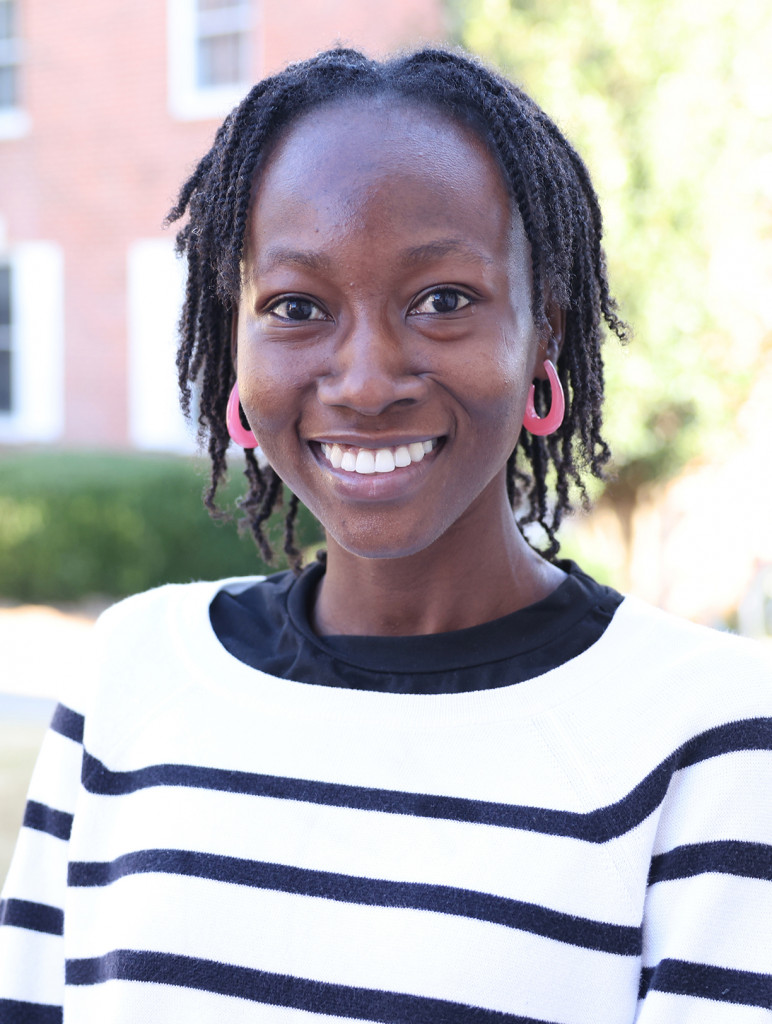
Agnes Imudu
Graduate Teaching Assistant
My research interests are centered around understanding family processes, particularly parenting in the context of traumatic stress, with a focus on low-income and marginalized communities.
-

Katherine Ingerson
Adjunct Faculty
Katherine has conducted research in the UGA Dining Commons with Dr. Ginnefer Cox, Assistant Professor in the Department of Nutritional Sciences, UGA College of Family and Consumer Sciences; Dr. Janani Thapa, Associate Professor in the Department of Health Policy and Management, UGA College of Public Health; and Dr. Lisa Renzi-Hammond, Associate Professor in the Department of Health Promotion & Behavior, UGA College of Public Health.
-

Tarikul Islam
Ph.D. Student | Graduate Teaching Assistant
Nonwoven, biodegradable textiles, fiber and polymer science, natural dyes, functional textiles, conductive textiles, flame-retardant textiles, wearable textiles, and composites.
Biodegradable nonwovens for PPF and various applications.
-

Julia Janeczko
Ph.D Student & Graduate Research Assistant
Julia is interested in how programs and policies are implemented in high-stress family systems, with a focus on military and child-welfare contexts. Her work centers on the couple and parenting processes to produce actionable findings that improve services and systems for vulnerable families.
Prospective students are always welcome to reach out with any questions.
Currently working under the guidance of Dr. Catherine Walker O'Neal, Julia is studying the elements of individual, familial, and financial well-being of military families through the Family Financial Readiness through Service Member Transitions (FFiRST) Study. She also assists in evaluating the effectiveness of financial trainings for members of the Air Force.
-

Jeyeon Jo
Assistant Professor in Fashion Merchandising
Jeyeon's research interests reside in the design and development of assistive wearable sensors, toward more flexible, comfortable, reliable, lightweight, launderable, sensitive, and affordable – truly wearable – daily healthcare solutions, as well as monitoring soft systems such as parachute canopy. Stretchable fiber optic and passive RFID (radiofrequency identification) have been the main tools to break through the limitations of the existing sensors. He is also passionate about investigating human factors through 3D body scanning technologies to find the sweet spot where strong user comfort and high performance of on-body gears meet, like the optimal fit of U.S. firefighting boots.
-

Mary Ann Johnson
Professor Emerita
Dr. Johnson conducts research and outreach programs for older people to improve dietary habits, physical activity, and self-management of chronic diseases. She also studies centenarians, aged 100 and older. Many of Dr. Johnson's students complete the UGA Certificate of Gerontology to enhance their careers in gerontology and nutrition. Graduates from Dr. Johnson's program work in academia and government, and as dietitians in nursing homes, home health care, hospitals, and community health promotion programs.
-

Alyssa Johnson
PhD/DI Student
Undergraduate Honors Thesis: HMO supplementation in preterm infant formula does not correlate with changes in fecal pH or fecal calprotectin levels in preterm infants.
-

Sheldon Kay
PhD Student in Couple and Family Therapy, Working as a Teaching Assistant
As a graduate teaching assistant in the Human Development and Family Science department, I am currently pursuing a doctorate in Couples and Family Therapy. My research interests lie in studying how racial discrimination and historical trauma impact the relational dynamics and mental health outcomes among African American couples. I believe that generationally passed down trauma and repeated exposure to trauma negatively affect couple relationships, which can affect families and ultimately impact community growth and vitality. I am committed to exploring this area of trauma and finding beneficial interventions that can empower couples to cope better with the challenges of their daily lives and promote family and community stability.
-

Steven Kogan
Athletic Association Professor of Human Development
Dr. Kogan's areas of research include Black American men's substance use during emerging adulthood and evaluating family-centered alcohol prevention programs for Black American youth. His research includes conducting randomized prevention trials and longitudinal studies of development.
My research addresses the public health need to prevent substance use and high-risk sexual behavior among Black American youth, particularly those residing in resource-poor rural Southern environments. This research program involves identifying individual, family, and community factors that protect young people from high risk behavior and translating these findings into efficacious, ecologically appropriate interventions.
-

Joan Koonce
Professor Emeritus & Extension Financial Planning Specialist
My research examines several areas of family financial planning, financial behavior of youth and family communication about finances, and low-income consumers and poverty.
-

Kalsea Koss
Associate Professor
The central focus of my work is to understand the interplay between social environments and biology to answer the question of how adversity ‘gets under the skin’ to shape mental health during childhood and adolescence. My research examines interplay across multiple levels of responses including emotional, behavioral, genetic, and biological contributions to understanding stress and development. My current work focuses on the stress response system (e.g., the hypothalamic-pituitary-adrenal axis) and the epigenome.
My research broadly focuses on risky family environments for understanding how early adversity shapes developmental trajectories of health and wellbeing across the life course. My work has examined a diverse range of stressors for families and children including, conflict, harsh parenting, neglect, and poverty. I am also interested in the role of family protective factors that buffer against chronic stress and promote more optimal development.
-
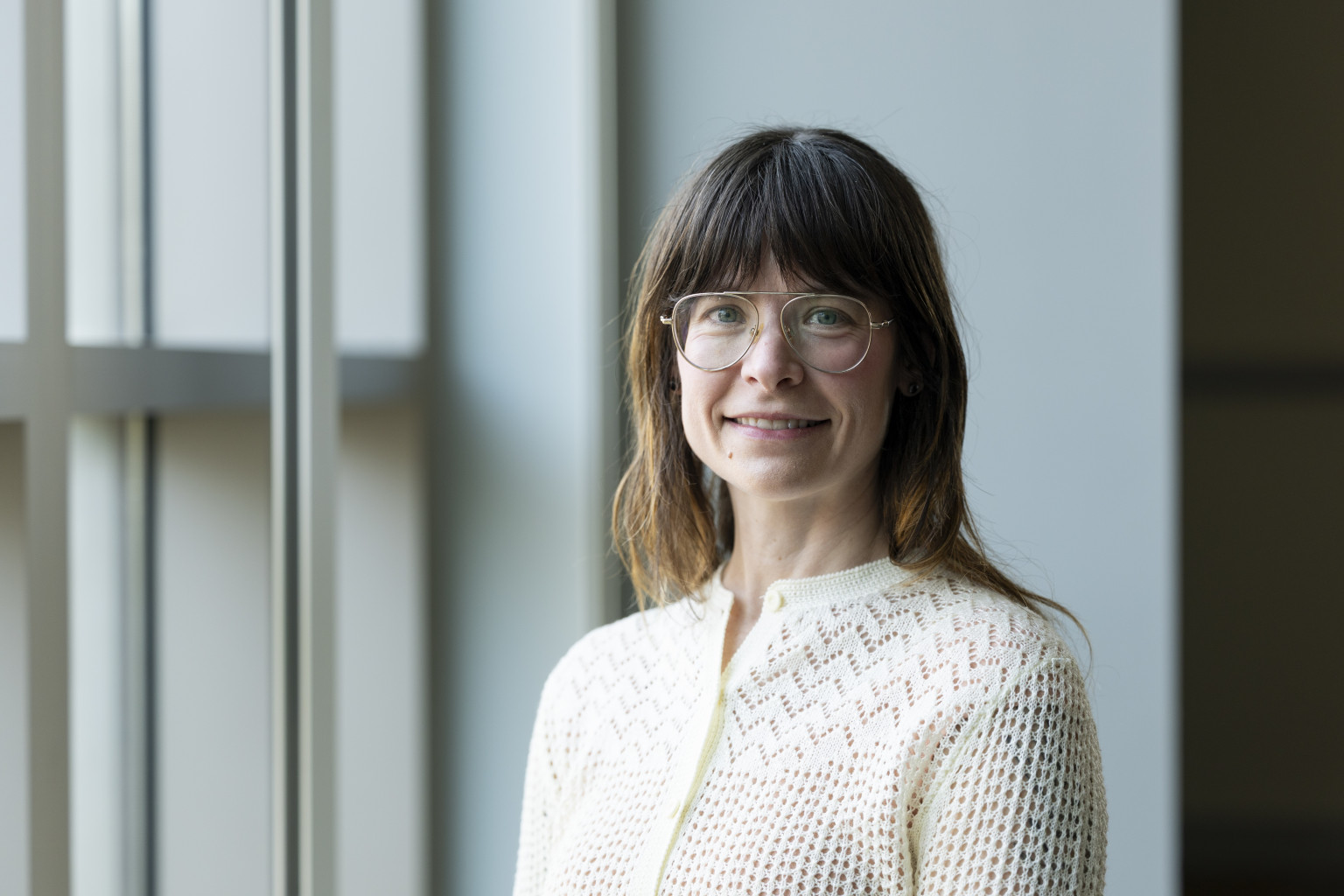
Melissa Kozak
Principal Lecturer & Undergraduate Program Coordinator
My research focuses on pedagogy through a Scholarship of Teaching and Learning (SoTL) lens. I explore and implement effective pedagogical strategies, with particular interest in:
- Use of alternative texts (e.g., novels in Human Sexuality Across the Lifespan; non-fiction and archives in Family Perspectives in Policymaking)
- Service-learning
- Impact of internships on students' personal, professional, and civic identities
- Peer review
-

Stephen Kuzniak
Part-Time Lecturer
My research focuses on Behavioral Economics, Risk Tolerance and Assessment, Financial Therapy, Financial Decision Making, and Popular Consumer Finance.
-

Emma Laing
Clinical Professor and Director of Dietetics
My research centers on the efficacy of weight-inclusive approaches to improve health and well-being. My courses likewise challenge diet culture and incorporate the deleterious effects of weight stigma on health. I also have decades of experience using imaging techniques for assessment of bone and body composition and employing dietary and physical activity interventions to reduce the risk of chronic disease, including osteoporosis.
In the News
View all media appearances on Emma Laing's Press Page
Featured articles:
- 10 Ways to Eat Better, The New York Times
- Tips For Maintaining A Healthy Body Image In College, Glam
- Green Tea May Just be the World's Healthiest Drink, Men's Health
- Professor Challenges Students on Diet Culture, UGA Today
-

Samantha Lancaster
Ph.D Student in Human Development & Family Science, Couple and Family Therapy
I am a Graduate Research Assistant in the Human Development and Family Science department working under Dr. Liz Wieling. My research interests are geared toward individuals, couples and families affected by obsessive-compulsive disorder, with a primary focus on LGBTQIA+ populations. Specifically, I aim to qualitatively explore how queer people experience OCD, having been subjected to minority stress. Further, I aim to investigate how Exposure and Response Prevention (ERP) for treating OCD can be used from a systemic lens while navigating different relationship behaviors (coupled, family, interpersonal) and how they influence treatment outcomes in a clinical setting. Broadly, I am further interested in trauma, diverse populations, and models of therapy.
-

Melissa Landers-Potts
Assistant Dean for Academic Programs
Dr. Landers-Potts is interested in how familial and contextual factors, such as access to resources, use of technology, etc., influence the development and flourishing of adolescents by way of the parenting practices of their caregivers. Recently, she has begun research on the experience of parental divorce during emerging adulthood and its impact on the well-being of young adults. Additionally, she frequently presents on pedagogical practices and research focusing on active learning, the Universal Design for Learning, and her teaching model in which she has partners with a private sector telemental health company to further the learning of her students and application of the course content they are studying to real-world situations.
Effects of experiences parental divorce in emerging adulthood
Service-learning and self-compassion
Effects of electronic communication on adolescent well-being
-

Jung Sun Lee
Georgia Athletic Association Professor in Family and Consumer Sciences; Faculty of Gerontology
My research examines nutritional health issues in low-income population with a focus on food insecurity, food environments, healthcare utilization, program evaluation of community-based nutrition interventions, and nutrition policy. My research uses multidisciplinary approaches, and both quantitative and qualitative research methods. I have been conducting studies to better understand the extent and nature of food insecurity, to improve the capacity of food and nutrition assistance programs, and to establish research methodology and datasets to examine the nutrition issues in human services including aging services, healthcare, and public assistance to meet the needs of low-income Georgians. For more information about my research and the UGA SNAP-Ed project, visit the Community Nutrition Laboratory.
Since I joined the University of Georgia (UGA), I have developed the Georgia Advanced Performance Outcomes Measures Project (GA Advanced POMP) which is the first study to test the feasibility of innovative research methods to improve program evaluation as part of administrative processes based on the partnership between GA Aging Services Network and UGA. I have led the Georgia CAFE (Community Advocacy to Access Food Stamps for the Elderly and Disabled) project since 2011, the first-ever SNAP application assistance model in Georgia to enhance coordination, access, and participation in SNAP for low-income older Georgians based on collaborations among the UGA, the Georgia Legal Services Program, and Georgia Division of Family and Children Services in around 30 urban and rural counties in Georgia. I have also established the UGA SNAP-Ed project, which provides an evidence-based, culturally tailored, multi-level nutrition education and obesity prevention intervention to SNAP-Ed eligible adult Georgian population using existing/augmented network and practice of the UGA Cooperative Extension Services (CES) since 2013. I have conducted the Georgia Hunger Study in 2023, a statewide needs assessment of the charitable food assistance network based on a partnership among UGA, Feeding Georgia, Geoergia Food Bank Associations, UGA Extension, and GA DHS. This study intended to understand barriers and challenges in food access among low-income Georgians using mixed methods.
-

Juha Lee
Ph.D. Candidate & Graduate Assistant
My research examines the role of service in the consumer’s ability to curate a higher level of well-being.
-

Richard Lewis
UGA Foundation Professor in Family and Consumer Sciences
Dr. Lewis is Director of the Bone & Body Composition Laboratory at The University of Georgia and serves as principal investigator for research projects focused on osteoporosis prevention, primarily targeting pediatric populations. His laboratory investigates the roles of macro- (protein) and micronutrients (vitamin D, zinc), physical activity, and obesity on bone development during growth. Because obese children are at greater risk for fractures than normal weight children, his team examines the impact of obesity and associated cardiometabolic risks on bone quality. He utilizes numerous imaging instruments to assess bone quality such as dual energy X-ray absorptiometry (DXA), peripheral quantitative computed tomography (pQCT) and magnetic resonance imaging (MRI). The goal of his research is to discover relatively simple and inexpensive approaches to improve bone strength during growth and prevent osteoporotic fractures later in adulthood.
-

Jewon Lyu
Assistant Professor in Merchandising and Fashion Business
Consumer responses and behaviors in the context of:
- Retail innovation and Human-Computer Interactions (HCI)
- Customer experience management in the omnichannel retailing environment
- Business analytics in relation to e/m/social-commerce
- International retailing
- VR, AR, XR
Consumer behaviors/psychology in advanced communication channels (e.g., social media) and in various environments (e.g., self-service kiosk); corporate philantrophy in relation to marketing messages
-
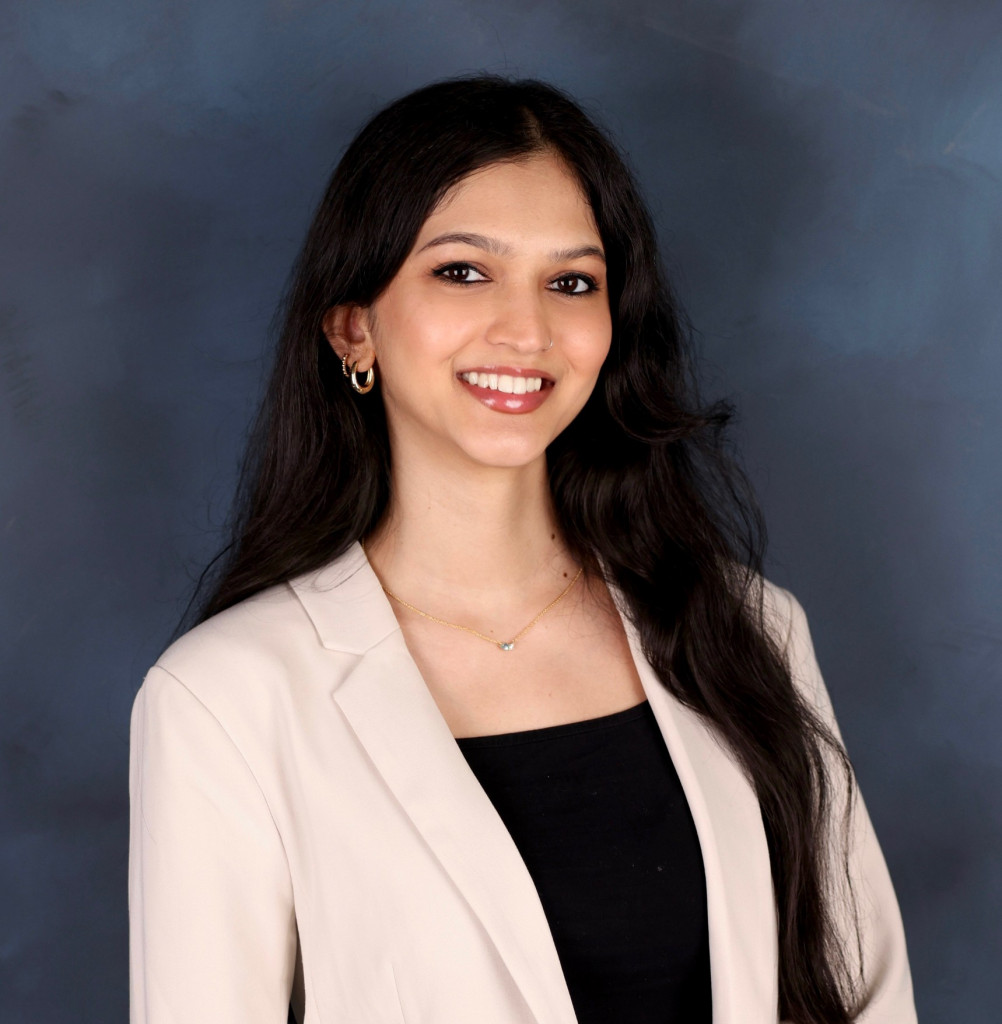
Mallika Mahida
PhD Student
Mallika is currently conducting her doctoral research at the Home Food Preservation Laboratory under the direction of Dr. Carla Schwan.
-

Shakil Mahmud
Graduate Assistant
- Manufacturing graphene and silver-based e-textiles for electrical heating and therapeutic applications.
- Designing an automated test device and protocols to assess the fatigue-bending durability of e-textiles (2024–2025; Research Collaborator: Alberta Innovates)
- Modeling a test device and a method for evaluating the repeated stretching endurance of e-textiles (2024–2025; Research Collaborator: Alberta Innovates)
- Developing a test method to assess the risk of electric shock of smart heating textiles
(2023–2025; Research Collaborators: Alberta Innovates and Experiential Learning in Innovation, Technology, and Entrepreneurship (ELITE) Program) - Outlining a test protocol to evaluate the overheating tendency of Joule heating textiles
(2023–2025; Research Collaborators: Alberta Innovates and Experiential Learning in Innovation, Technology, and Entrepreneurship (ELITE) Program) - Investigating the corrosion resistance of electrical heating textiles against perspiration
(2022–2025; Research Partners: CTT Group, Canadian Standards Association (CSA) Group, Mitacs, and Alberta Innovates ) - Evaluating the laundering resistance of Joule heating textiles
(2022–2024; Research Partners: CTT Group, Canadian Standards Association (CSA) Group, Mitacs, and Alberta Innovates) - Proposing a standard test method for assessing the durability of resistive heating textiles against mechanical abrasion
(2021–2024; Research Partners: CTT Group, Canadian Standards Association (CSA) Group, and Mitacs) - Engineering a temperature measurement device for e-textiles with discrete structures
(2021–2023; Research Partners: CTT Group, Canadian Standards Association (CSA) Group, and Mitacs) - Finalizing protocols for measuring the heating efficiency of Joule heating textiles
(2021–2022; Research Partners: CTT Group, Canadian Standards Association (CSA) Group, and Mitacs) - Fabricating carbon black-based e-textiles with sensory, EMI shielding, and electrothermal performance
(2022–2025)
- Development of MXene-functionalized supercapacitor based on cellulose–chitosan aerogel.
- Synthesis and characterization of MXene derived from MAX phase via chemical etching process.
- Sustainable one-step vat dyeing of lyocell with nanofibrillated cellulose for enhanced dye fixation and surface fibrillation control.
- Developing cellulose-chitosan-based aerogel beads as soil amendments for controlled nutrient delivery and enhanced arboreal growth under abiotic stress.
- Fabricating NFC-based aerogel for acoustic and thermal insulation.
- Development of biodegradable Tantalum Triselenide (TaSe₃)/Poly(vinylidene fluoride) (PVDF)-based cotton–polymer composite panels for sustainable EMI shielding.
- Manufacturing of NFC-reinforced PLA composites for additive manufacturing and biodegradable reinforcement.
- Fabrication of biodegradable polymer composites for electromagnetic interference shielding.
-

Lindsay Mapes
Graduate Teaching Assistant | Graduate Financial Advising Assistant
Financial Literacy and Financial Education
Native American Household Financial Decision-Making
Policy and Poverty in Native America -

Teresa Mauldin
Associate Professor Emerita
I conduct research on the economic well-being of families and households, specifically savings behavior and financial hardship of low to moderate income housholds, economic consequences of cohabitation, divorce and single-parenthood, and poverty dynamics.
-
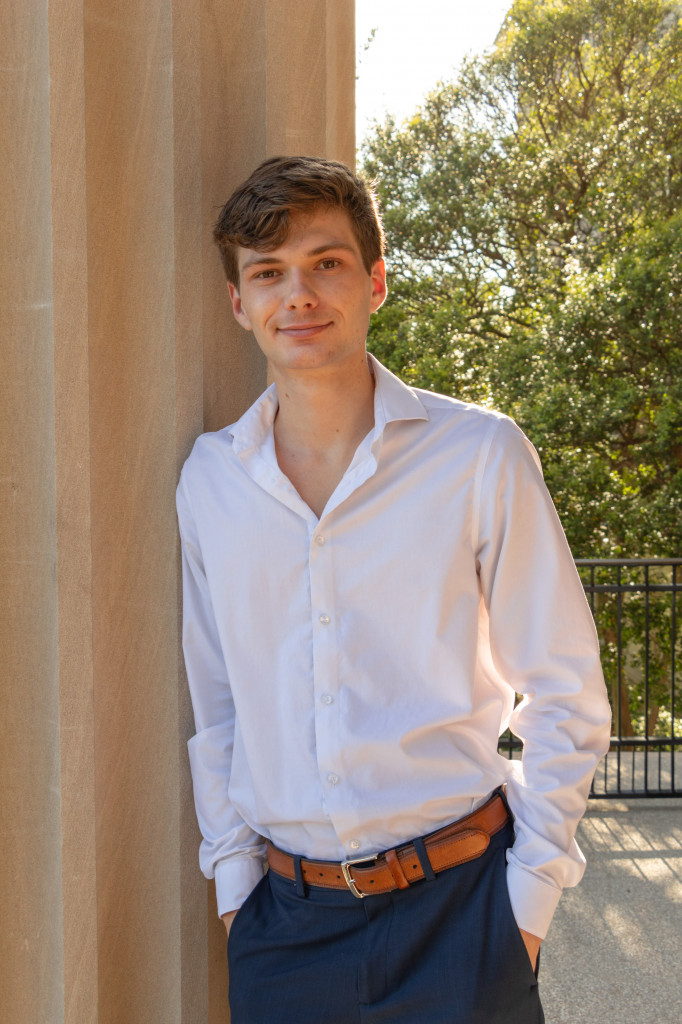
Connor McAlpin
Research Assistant
Family Health and Development Lab
Southern Methodist University Dallas, TX
Principal Investigator: Chrystyna Kouros, Ph.D. August 2022 - Present
Research Assistant:
-Assisted with recruitment and screening of participants for the study
-Used Qualtrics to edit surveys
-Completed remote study visits with couples to collect observational assessments of relationship conflict and relationship functioning
-Completed training and achieved inter-rater reliability to code observational interactions of couples’ video-taped discussions
-Transcribed couples’ conflict interactions
-Attended weekly project meetings to discuss project protocols and empirical research in the field
-Co-authored and presented two conference research posters at the annual meeting for the Society for Research on Adolescence in Chicago, IL (April 2024)
-Attended didactic analysis and behavioral coding workshop funded by the Lewis Foundation
Summer Research Intensive, Office of Engaged Learning
Southern Methodist University Dallas, TX
Program Manager: Adam Neal, Ph.D. May - August 2023
Research Mentor: Chrystyna D. Kouros, Ph.D.
Summer Research Fellow:
-Competitive 10-week summer program for undergraduate students to receive specialized training in research methods and professional skills
-Participated in weekly interactive workshops about research methodology
-Attended weekly symposiums with guest speakers from the scientific community who presented recent findings and answered questions
-Worked approximately 20 hours per week with Dr. Kouros on research related to couples’ relationship functioning and their mental health
-Presented research during the Three Minute Thesis competition at the end of the program
Health Behavior Lab
Southern Methodist University Dallas, TX
Principal Investigator: Austin Baldwin, Ph.D. May 2024 - Present
Volunteer Research Assistant:
-Assisted with recruitment and screening participants for an NIH-funded study through Facebook and Craigslist
-Calculated BMI and moderate heart rate range to determine eligibility
-Scheduled participants over six weeks and sent reminder texts via EzTexting.com
-Analyzed health behavior through accelerometer data, using Actigraph
-Created personalized Qualtrics files for participants according to random assignment
-Administered the Guided Thinking Task before exercise and survey questions during the exercise protocol
-Attended weekly project meetings to discuss project protocols and empirical research in the field
-Assist with analyzing and interpreting data, as well as discussing potential moderators of the intervention
Couples and Relationship Enrichment Lab
University of Georgia Athens, GA
Principal Investigators: Ted Futris, Ph. D and Evin Richardson, Ph. D August 2025 - Present
Research Assistant:
-Participated in bi-weekly lab meetings to discuss relevant research, assist with research-related challenges, and contribute to the development of the lab’s website and social media strategy.
-Assisted with early planning related to online delivery logistics, user engagement, and future program evaluation.
-Contributed to a collaborative research project examining the feasibility of converting an in-person relationship maintenance course into an online format.
-Reviewed and synthesized existing course materials to identify core components, learning objectives, and evidence-based content for online delivery.
-Met with platform designers and Learning Management System (LMS) representatives to evaluate options for visual design integration and in-depth participant tracking
-

Clair McClure
Senior Lecturer in Fashion Merchandising & Undergraduate Coordinator
My research on how Athens area fashion boutiques use social media, relates to the retailing and entrepreneurship courses I teach in addition to providing valuable connections for our fashion merchandising internship program. I also conduct resarch on pedagogy technologies which enhance the learning experience for fashion merchandising students.
-

Doneila McIntosh
Assistant Professor in Couple and Family Therapy
My research examines family processes and well-being in Black populations across the lifespan, with particular attention to couples, adults, children and adolescents, and parent-child dyads. Broadly, I am interested in how contextual stressors shape family dynamics, mental health, relational functioning, and pathways of resilience. My work investigates how experiences such as exposure to violence, traumatic loss, behavioral health concerns, chronic stress, and structural vulnerability influence the ways individuals and families communicate, cope, grieve, parent, maintain relationships, and make meaning across developmental stages.
A central and growing area of my research focuses on grief and loss as lifelong, relational, cultural, and embodied experiences. I am interested in both death-related and non-death-related losses, including bereavement, traumatic loss, ambiguous loss, disenfranchised grief, suicidality and suicide-related loss, and other life transitions that alter identity, attachment, roles, and expectations for the future. My research is grounded in the belief that grief is not only an individual emotional response, but also a family and community process that unfolds over time. Loss can reorganize family systems, affect parent-child relationships, shape couple functioning, disrupt developmental trajectories, and influence mental and relational health long after the initial event.
My research is especially concerned with the lifelong impact of grief and loss among Black individuals, families, and communities. I examine grief within broader contexts of racialized stress, cumulative trauma, community violence, health disparities, systemic inequity, and unequal access to culturally responsive care. I am particularly interested in how traumatic bereavement and other significant losses shape grief expression, coping, meaning-making, mental health, relational functioning, parenting, couple processes, and help-seeking. Rather than treating trauma and grief as separate experiences, my work considers how they intersect in lived experience and how families adapt when loss is accompanied by fear, shock, injustice, guilt, anger, or unanswered questions.
I also seek to integrate biological, psychological, relational, and cultural understandings of grief. While the neurobiology of grief is an emerging area of interest for me, I am particularly interested in how embodied experiences of grief may intersect with attachment, stress, emotion regulation, and social connection. Understanding grief as both embodied and relational can help explain why loss may feel persistent and disorienting, especially when it is traumatic or relationally significant. At the same time, my research attends to protective processes such as spirituality, cultural identity, family cohesion, community care, storytelling, ritual, and intergenerational resilience, with the goal of informing culturally responsive assessment, intervention, and family-centered care.
My research is also concerned with evidence-based practices for grief and loss, while recognizing that existing models do not always fully address the needs of Black individuals, families, and communities impacted by traumatic bereavement, racialized loss, or non-death-related grief. I am interested in identifying which interventions are effective, for whom, under what conditions, and how these practices can be adapted without losing their core mechanisms. At the same time, I value practice-based evidence as a necessary complement to evidence-based practice. Clinical wisdom, community knowledge, client feedback, and real-world patterns of care can reveal gaps in existing interventions and generate new research questions. This is especially important when working with populations and grief experiences that have been underrepresented in traditional research.
Ultimately, my program of research seeks to bridge scholarship, clinical practice, and community impact. I aim to generate knowledge that improves how clinicians, educators, health systems, faith communities, and community organizations understand and respond to grief, trauma, and family distress. My goal is to contribute to grief-informed and trauma-informed frameworks that are developmentally sensitive, culturally responsive, relationally grounded, and useful in real-world settings. By examining grief and loss across the lifespan and within family and community systems, my research seeks to support more ethical, effective, and compassionate care for individuals, families, and communities navigating death-related and non-death-related loss.
1. Clergy, grief, and referral to clinical care (currently interviewing participants with colloborator).
One current project is a qualitative study with clergy focused on grief and loss within faith-based communities. This study examines how clergy understand and respond to grief among parishioners, their perceived preparedness to address bereavement and other forms of loss, their knowledge of prolonged grief disorder and complicated grief, and finally, how clergy determine when grief-related concerns may require referral to clinical care. Given the central role that faith leaders often play in supporting individuals and families after loss, this work seeks to better understand the opportunities and limitations of faith-based grief support, as well as the resources clergy may need to respond effectively and ethically.2. LGBTQ+ and BIPOC adults, grief, identity, and relational functioning (data already collected; data analyses in progress).
A second area of current work uses a dataset with LGBTQ+ and BIPOC adults to examine grief, loss, relational functioning, cultural and racial identity, disenfranchised grief, and related psychosocial outcomes. This project allows me to explore how identity, belonging, marginalization, and relational context shape the ways adults experience, express, and cope with loss. I am particularly interested in how culturally specific and identity-based experiences influence grief outcomes, social support, meaning-making, and relational well-being.3. Emerging adults, grief, non-death related loss, trauma, and access to care (development of pilot study in progress Fall 2026).
I am also developing a pilot mixed-methods study with emerging adults focused on grief, non-death-related loss, trauma exposure, accessibility of care, and general understandings of grief, trauma, and mental health. This study is designed to examine how emerging adults conceptualize loss and trauma, where they turn for support, what barriers they experience in accessing care, and how their developmental stage shapes grief-related needs. -

Katalin Medvedev
Professor in Fashion Merchandising
Dr. Katalin Medvedev is an international dress and fashion scholar.
My ongoing research interests focus on the construction and expression of cultural identity through dress, gender and the politics of dress, fashion and empowerment, fashion peripheries, and fashion and sustainability. My latest large project was editing a book titled Fashion, agency and empowerment for Bloomsbury Publishing. Currently, I explore diversity issues with my Ph.D. students in the fashion industrial complex. Topics include racial injustice, social justice issues, racialized beauty retail environments, and ageism in the fashion industry. New projects include The symbolism of Persian rugs and attitudes towards Islamic dress practices in the US. In addition, we are developing a course on fashion and diversity that furthers both fashion and general education.
-

Sergiy Minko
Georgia Power Professor of Fiber and Polymer Science
Nanostructured materials, responsive materials, biomaterials, biointerfaces, functional fibers and textiles
-

Diann Moorman
Associate Professor
- Scholarship of Teaching and Learning
- Bankruptcy
- Low-income households
- Single-parent households
- Teenage-mother households
-

Rebecca Mullis
Professor Emerita
My work focuses on preventing chronic disease,especially obesity and cardiovascular disease, in individuals, groups and populations. My recent work has been in evaluating school-based interventions for low income and minority youth. I am currently involved in a school and community based intervention in Colquitt County, GA and a clinic-based intervention in Athens, GA.
-
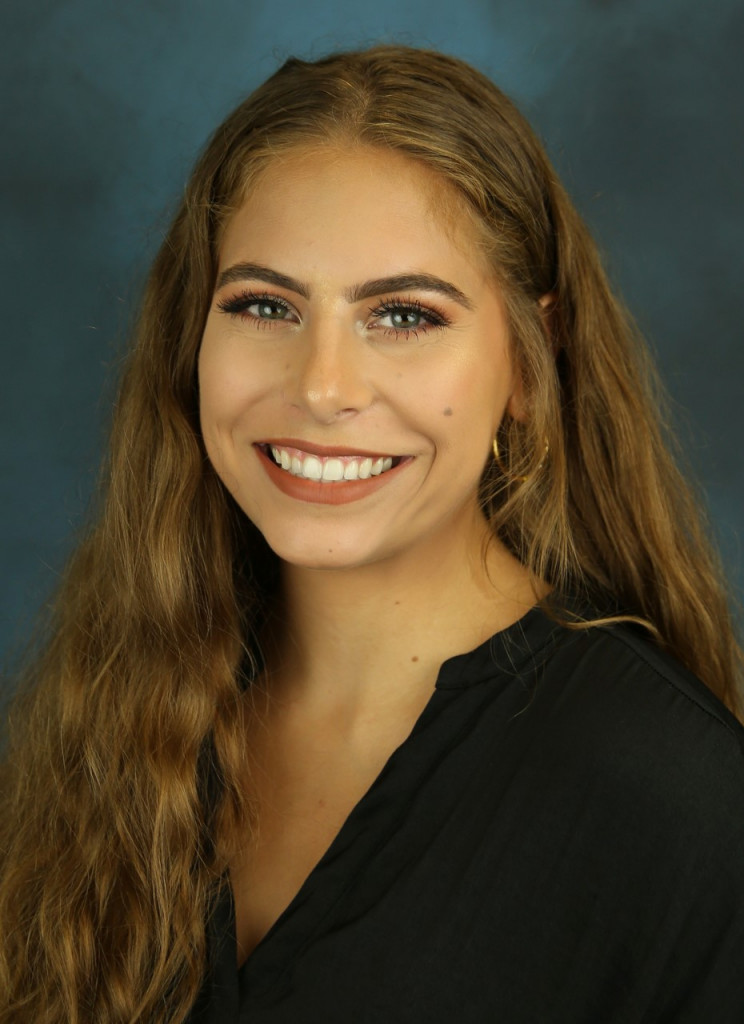
Morgan Muñoz
Ph.D. Student and Graduate Teaching Assistant
My research interests broadly include family systems as well as certain relationships within those given systems. More specifically, I am interested in how these types of bonds can affect mental health and anxiety in adolescents.
-

Priscilla Namirimu
Graduate Research Assistant
I am a Graduate Research Assistant in the Human Development and Family Science department, working under the supervision of Dr.Elizabeth Wieling. My research interests are mainly focused on traumatic stress, war, and violence. Particularly, I seek to examine the transgenerational impact of traumatic stress on family interpersonal relationships. I aim to inform culturally adaptable evidence-based interventions that promote resilience to traumatic experiences within families and increase accessibility to mental health services for traumatised low-income family settings.
-

Sharon Nickols
Janette M. Barber Professor and Dean Emerita
History of home economics/family and consumer sciences.
-

Emily Noble
Associate Professor
Dr. Noble's research uses rodent models to investigate how the brain controls feeding behavior and energy balance. Our research also investigates the mechanisms by which nutrition affects the brain and cognitive function. Visit the Nutritional Neuroscience Laboratory or noblelab-uga.com/ to learn more.
Current research topics in include:
Determining signaling pathways in the brain that regulate eating and drinking behaviors
Understanding how the brain regulates body weight and underlying causes of obesity
Determining the mechanistic impact of consuming a Western Diet (high fat and high sugar) on learning and memory function
Investigating the impact of adolescent nutrition on brain development and behavior
-
Catherine Walker O’Neal
Associate Professor
My passion is promoting family well-being through high-quality research. I am interested in the acute and chronic stressors families experience and how to enhance resilience when faced with stress, particularly for military families. A few principles of my research include:
- Conducting translational research – I emphasize conducting research that answers the “So what question” (So what do we do because of these findings?). One avenue of my work that illustrates this emphasis is my family program evaluation efforts. These evaluation efforts point to what works well in family programming and promotes well-being while also pointing out what can be improved.
- Thinking broadly about family well-being – I take a “30,000 foot view” in understanding family well-being. My holistic focus leads me examine numerous factors linked to family well-being. In particular, my research has made contributions to understanding how finances/financial stress and broader contexts, such as military life, impact family well-being.
- Using advanced quantitative methods – I value the use of rigorous quantitative methods, such as dyadic data to capture multiple family members’ perspectives, latent profile analyses to identify heterogenous sub-groups, and latent growth curve models to understand change over time. However, I also stress the importance of using the methods that are best suited for the research question. Using complicated analyses when a simpler method best addresses the research question is akin to the “tail wagging the dog.”
I am accepting students seeking to study military families in Fall 2026.
My research and outreach efforts focused on military families currently include three funded projects:
- I am the principal investigator for the evaluation of the U. S. Department of the Air Force financial readiness program. We use quantitative and qualitative methods to conduct outcome and process evaluation. We assess program outcomes longitudinally and across multiple domains (including individual and family well-being). Findings are used to generate reports to funders as well as disseminate to the broader scientific community.
- I am the co-investigator for Military REACH, a DoD/USDA partnership project that synthesizes military family research to make it accessible and relevant for families, helping professionals, and policymakers.
- I am the principal investigator for a project with the USAA Educational Foundation and the DoD Office of Financial Readiness measuring the efficacy of military financial literacy interventions.
Learn about our newest study (Family Financial Readiness through Service member Transitions; FFiRST) here.
-
Assaf Oshri (Full Professor)
Samuel A. and Sharon Y. Nickols Endowed Professor/ Director: Georgia Center for Developmental Science
I am part of the Georgia Center for Developmental Science. I am interested in children's and youth's well-being and resilience. In my research program, I focus on understanding youth development using multi-methods (observation, surveys, neuroimaging-fMRI, stress physiology) and multi-level research (e.g., individual cognition, personality, family, peer, and neighborhood environments). Specifically, our team conducts research that elucidates the multi-level mechanisms that underlie the link between early-life stress in childhood (e.g., child maltreatment, poverty, cultural stress) and adolescent behavioral risk (e.g., substance use, sexual risk behavior) and resilience. I hope that the knowledge generated by my research will inform intervention and prevention programs, as well as promote resilience among children and adolescents at risk.
Theory and level of analyses that inform my research:
Developmental Cognitive Neuroscience, Hormesis, Developmental Psychopathology, Evolutionary-Developmental Perspectives, Developmental Psychobiology,
On Twitter: @YDIatUGA
Using multi-level methodologies to elucidate links between early life stress and decision-making, risk behaviors, and resilience among rural youth; The
Resilience: developmental context and mechanisms of hormetic effects in development
-

Lance Palmer
Janette McGarity Barber Professor
Dr. Palmer's research seeks to identify effective ways of motivating financial behavior change through brief intervention strategies. He is currently focused on developing brief interventions that are informative, scalable, and can easily be integrated into the income tax preparation process. The design and format of the brief interventions are informed by research findings from behavioral economics and behavior change theory, as well as evidenced-based counseling practices such as Solutions-Focused Brief Coaching.
-

Michelle Parisi
Associate Professor and Extension Chronic Disease Specialist
Research Area and Interests:
Dissemination and implementation of health and nutrition programs and initiatives through an Extension model; Food system as a social determinant of health and food insecurity in rural communities- Parisi, M and Sherrill, W. 2023. “Health Extension for Diabetes: Georgia”. A Strategic Approach to Advancing Health Equity for Priority Populations with or at Risk for Diabetes. Centers for Disease Control. $269,000.
- Parisi, M. 2023. “Health and Mental Health Needs of Rural Veterans”. USDVA-Office of Rural Health. $150,000.
-

Hea Jin Park
Associate Professor
My research focuses on defining the beneficial role of bioactive food compounds and functional foods in human health and on investigating their mechanisms of action in chronic diseases and perinatal development. For more information, see the Bioactive Compounds and Health Laboratory.
-

Chad Paton
Associate Professor
My research is focused on the bioactive properties of two specific lipids: Dihydrosterculic acid (DHSA) and linoleic acid. DHSA is a cyclopropene fatty acid that is found naturally in cottonseed oil and it blocks endogenous lipid synthesis and cholesterol biogenesis. I am actively pursuing methods to assess its ability to treat hyperlipidemia and hypercholesterolemia in animal and human models. My work in the bioactive properties of linoleic acid has centered on its role in modulating skeletal muscle myogenesis and mitochondrial biogenesis. As a long-chain omega-6 polyunsaturated fatty acid, it promotes transcriptional activity via nuclear receptor-DNA interactions and more recently I have found that its ability to induce angiopoietin-like protein 4 production in muscle significantly impairs the capacity for muscle differentiation and metabolic function. The purpose of my research is to help restore normal metabolic function in disease states using molecular biology and biochemistry to understand how macronutrient metabolism is regulated in cell and animal models. For more information, visit the Biochemistry of Metabolism Laboratory.
- PUFA-mediated regulation of myogenesis.
- The role of dihydrosterculic acid in hepatic lipid metabolism.
-

Robert Pazdro
Associate Professor
My research group is working to improve the human experience by eliminating the burdens of chronic medical conditions, such as liver disease and heart failure. We focus on two risk factors long considered to be fixed and unmodifiable – genetics and age – and how they impact disease development, with emphases on metabolism, hormone activity, and organ structure and function. Through our work, we are contributing to the future of personalized medicine and discovering the next generation of exciting therapeutic targets to treat chronic diseases, restore health, and vastly improve lives.
For more information, see the Complex Diseases Laboratory.
Our current research projects include:
R01 GM121551 NIH/NIGMS Defining the Genetic Architecture of the Glutathione Redox System; Role: Principal Investigator.
-

Yilang Peng
Associate Professor
My scholarship is at the intersection of computational social science, visual communication, and media effects. My research applies cutting-edge computer vision methods to investigate the production and effects of visual media, an increasingly prevalent component of today’s digital media environment. My works have been published in leading venues both in communication and human-computer interaction, including the Journal of Communication, Communication Research, New Media & Society, the International Journal of Press/Politics, the International Journal of Communication, Public Understanding of Science, and the Proceedings of ACM Conference on Human Factors in Computing Systems.
-

Allisen Penn
Associate Dean for Extension and Outreach
Leadership development of leaders in Land Grant Institutions. Core Competency development of Family and Consumer Sciences professionals and Land Grant University leaders.
-

Norah Philipp
Intern at Brown Media Archives, English and Entertainment Media Student
The Peabody Awards Collections LibGuide - Undergraduate Research Project
-
Roshaye Poleon
Ph.D. Student & Graduate Research Assistant
My research examines the role and significance of culture in Black and African American families, with a particular focus on parenting practices and child socialization processes. I am especially interested in developing culturally relevant parenting measures and advancing positive youth development frameworks for families of color. My current research explores African American parents’ use of cultural storytelling in ethnic–racial socialization and its impact on children’s identity development and well-being.
-

Amy Kay Powell
Clinical Associate Professor (Director of Child Development Lab)
My research has focused on the relationships established between families and teachers/homes and schools by co-creating a dialogic bridge.
-

Smriti Rai
Research Professional/Lab Manager
Advanced materials, Biomaterials, Biopolymers, Lignocellulose, Nanocellulose, Functional coatings, Textile Chemistry.
- Dyeing of Cotton Yarns for Denim with Eco-friendly Nanocellulose Gel - Natural Indigo Dispersion.
- Sustainable and Eco-friendly Dyeing of Cotton-Polyester Blended Fabric using Nanocellulose Gel-based Dyeing.
- Determination of Antimicrobial Activity of Cotton Dyed with Nanocellulose - Indigo Gel.
- The Sustainable and Eco-friendly Dyeing/Coating of Cotton with Nanocellulose - Indigo Gel.
-

Niyantri Ravindran
Assistant Professor
My research focuses on understanding the moment-to-moment dynamics of parent-child interaction during emotionally challenging situations in early childhood, at both behavioral and physiological levels. I examine factors that contribute to parents' responses to young children's negative emotions in real time, as well as how these parental responses promote or hinder children's developing ability to effectively manage negative emotions and stress. I am also interested in examining how sociocultural factors such as contextual stress shape the dynamics of parent-child interaction, and how these dynamics in turn contribute to children's long-term adjustment. To address my research questions, I use observational coding of laboratory tasks, naturalistic audio recordings of family interactions in the home, physiological assessments (e.g., RSA, EDA), and surveys, and I apply intensive longitudinal methods such as multilevel modeling to examine within- and between-person processes in parents and children.
Currently, there are three ongoing research projects in my lab:
Learning, Emotions, and Parenting (LEAP) Project: This is a longitudinal study funded by NSF that follows parents and children from kindergarten to 2nd grade. The goal is to better understand parent-child interactions and children's emotions during challenging math activities during the early school years, including both observable behaviors and physiological responses. Data collection and observational coding are ongoing.
Parents and Children Together (PACT) Extension Project: This is a small extension study of a recently concluded longitudinal investigation (PI Dr. Geoffrey Brown). The goal is to use surveys to better understand how Black American parents respond to preschool-aged children's negative emotions in different contexts, and how their own experiences, beliefs, and goals shape their parenting practices. Data collection is ongoing. This study is funded by the Society for Research in Child Development Small Grants Program for Early Career Scholars.
Parent-Child Interaction Project (PCIP): This is a pilot study that focused on examining parent-child interactions in naturalistic settings in the preschool years, particularly during emotionally challenging situations. Parent-child dyads were video-recorded via Zoom during a series of interaction tasks. Children also wore an audio recorder as they went about their daily routines for 16 hours. Data collection and coding for this project has concluded, and we are in the process of writing up and publishing papers.
-

Vladimir Reukov
Assistant Professor in Polymer, Fiber and Textile Sciences
Dr. Vladimir Reukov is an Assistant Professor at Textiles, Merchandising, and Interiors Department of University of Georgia. His lab develops new biomaterials for various medical applications. Dr. Reukov received a BS/MS in Materials Science and a PhD in Chemistry from Moscow State University in Russia. Prior coming to Georgia, Dr. Reukov was a Research Associate Professor at Clemson University. Among his awards are the Phil and Mary Bradley Award for Mentoring in Creative Inquiry, the Dr. Fred D. Bisplinghoff Research Innovation award and the 2014 Innovision award. Dr. Reukov is an active member of professional organizations such as the Society for Biomaterials, Biomedical Engineering Society, Materials Research Society, and the Institute of Biological Engineers. His research is funded by federal agencies, private foundations and the university.
-

Kim Rich Meister
Assistant Professor in Interiors
My prior research has involved designing to improve the quality of life for seniors in assisted living facilities; aging in place and place attachment; the sustainable built environment for educational buildings through parallel analysis in utilizing LEED; and retail design involving space planning, merchandising and utilizing sustainable practices such as LED lighting, and environmentally friendly finishes and fixtures.
I have always had a broad interest in researching topics that involve the built environment such as sustainable design, eco-friendly materials and finishes, lighting, ergonomics, anthropometrics, color theory, and the importance of incorporating nature into holistic design.
-

Evin Winkelman Richardson
Assistant Research Scientist
Dr. Richardson is a Co-Director of the Couple and Relationship Enrichment (CARE) Lab conducting research and evaluating the Elevate Couples Georgia initiative. Dr. Richardson studies family systems within high-stress contexts, with a particular focus on the marital and co-parenting relationships of foster and kinship care providers, military families, and parents of a child with a disability. She is also interested in the resilience of these families and how family life education may improve well-being. Previous work includes research and outreach with military families on the Air Force Personal Financial Readiness Project evaluation, in the Family and Community Resilience Laboratory, and with Military REACH, studying families with a child with a disability with the Institute on Human Development and Disabilities, and training and technical assistance for the National Resource Center for Healthy Marriage and Families where she was involved in planning and implementation of trainings as well as publishing materials for stakeholders on healthy relationship and marriage education.
-

Tom Rodgers
Professor Emeritus
- Workforce housing
- Barriers to developing affordable housing
- Community and economic development
- Manufactured housing
-

Connie Rogers
Department Head, Senior Director of Health Initiatives, Bill and June Flatt Chair in Foods and Nutrition
My laboratory is exploring the role of changes in energy balance, (i.e. obesity, exercise and dietary restriction) and various nutritional interventions on inflammatory mediators, metabolic hormones, and immune pathway in breast cancer using both animal models and human subjects. A second focus area of my laboratory is to explore if and how several nutritional factors modulate inflammatory and immune responses in humans at risk of cardiometabolic disease and osteoporosis.
-

Nishat Sarmin Rupanty
Graduate Teaching Assistant
Research spans sustainable and functional textiles, with emphasis on bio based coatings, tissue engineered fabrics, flame retardant and antimicrobial finishes, and grafting driven modifications. Work also includes textile waste valorization and eco friendly dyeing with natural extracts. The focus remains on merging innovation with environmental impact.
-

Michael Rupured
Senior Public Service Associate and Extension Financial Management Specialist
Evaluates the effectiveness of financial education programs on program participants.
-

Elisabeth Lilian Pia Sattler, PhD, RPh, FAHA
Associate Professor
Dr. Lilian Sattler, PhD, RPh, FAHA, a licensed pharmacist with a PhD in Foods and Nutrition who leads an interdisciplinary, extramurally-funded research laboratory that (1) investigates the epidemiology of lifestyle-related cardiovascular disease risk factors, and (2) tests the effect of clinical nutrition interventions on cardiovascular disease outcomes. The overarching goal of her research is to generate evidence that supports strategies for improved cardiovascular disease prevention and management for the benefit of at-risk populations, for whom medical care is limited or less accessible, including minorities, those of lower socioeconomic status, and individuals with advanced cardiovascular disease or multimorbidity. Dr. Sattler has established a national reputation in cardiovascular health research, as evidenced by over $800K obtained in extramural funding, numerous research conference presentation and moderation invitations, invited talks, honors to serve in national leadership roles at the American Heart Association, invitations to scientific statement writing groups, and the receipt of national and international research fellowships.
Dr. Sattler additionally holds the following positions:
- Adjunct Appointment with the Nell Hodgson Woodruff School of Nursing, Emory University, Atlanta, Georgia
- Recently Invited Investigator of the Global Cardiovascular Risk Consortium (https://www.nejm.org/doi/full/10.1056/NEJMoa2206916)
- Expert Panel Member of the Alliance for Medical Research in Africa (https://amedra.org/)
Learn More About Elisabeth Lilian Pia Sattler, PhD, RPh, FAHA
-
Anna Scheyett
Senior Research Scientist
2023-2024 Climate Change Impacts on Farmer Mental Health: A Participatory and Systems-Based Approach.
Southeastern Coastal Center for Agricultural Health and Safety
Co-Principal Investigator, Principal Investigator C. Weatherly
2023-2025 EXCITE 3 Increasing Vaccine Acceptance in Rural Georgia
Extension Foundation, with Centers for Disease Control and Prevention
Co-Principal Investigator, Principal Investigator Maria Bowie
2022-2023 EXCITE 3 Design Phase Vaccine Acceptance Initiative
Extension Foundation
Principal Investigator
2024-2026 Sustaining the Farmer to Sustain the Farm: Stress management education for farmer resilience and well-being.
Sustainable Agriculture Research & Education Foundation
Principal Investigator 2025, Co-Principal Investigator 2026
-

Carla Schwan
Assistant Professor and Extension Food Safety Specialist
Research interests include consumer food safety, home food preservation, and antimicrobial resistance.
Schwan Research and Extension Lab focus on addressing emerging topics on home food preservation and consumer food safety. Current projects include an Extension Food Safety Program to Facilitate Enhanced Food and Health Sovereignty in the State of Georgia and the development of new validated home food preservation recipes.
-

Yoo-Kyoung Seock
Professor in Fashion Merchandising and Director of Graduate Studies
In my scholarly pursuits, I lead the E.Y.E. Lab, dedicated to enhancing human well-being through research, education, and community engagement. Established following the COVID-19 pandemic, the lab focuses on technology innovation. My research program centers around the following key themes:
- Emotional, Cognitive, and Behavioral Mechanisms in Psychology: Investigating how emotions and cognitive processes influence decision-making and behavioral responses across various contexts, including daily life, education, and shopping..
- Technological Innovations and Human-Technology Interaction: Examining the impact of emerging technologies on human interactions and experiences, including the use of AR, VR, and other digital innovations.
- Sustainability, Ethical Consumerism, and CSR: Analyzing how sustainable practices and corporate social responsibility influence choices and drive ethical behavior.
My work investigates the psychological dynamics of human behavior across various integrated environments, including online, offline, mobile, social media, and emerging platforms like the metaverse. I also study human-technology interaction in various settings. A further focus is on sustainability and ethical practices, aiming to provide insights for sustainable development and a better future, ultimately enhancing human well-being.
**The E.Y.E. (Enhance Your Experience, Empower Your Education) Lab is a research and education laboratory under my leadership. Established following the COVID-19 pandemic, the E.Y.E. Lab reflects my dedication to innovation in education, research, and community outreach. The lab focuses on the use and innovation of technology. Inaugural Member of E.Y.E. Lab: Jeongah Shin, Ph.D. Student (2020-2024).
-

Jerry Shannon
Associate Professor
I'm a geographer studying how to make urban neighborhoods and food systems healthier and more equitable. My broad interests are in urban development and inequality, geographic information systems, political geography, and place effects on health. More specifically, my research focuses on the role of maps in shaping our understanding of hunger, housing, poverty, and neighborhood development.
I am an assistant professor in the Department of Geography and the Department of Financial Planning, Housing, and Consumer Economics at the University of Georgia. I also direct the Community Mapping Lab in the Department of Geography and am an assistant director of the Housing and Demographics Research Center on campus.
You can find more information on my specific research projects on my research page. Among other things, I am currently aiding in a participatory planning process with the Atlanta Community Food Bank, studying the local effects of changes to SNAP (food stamps) in Georgia during the Great Recession, doing participatory mapping of the housing landscape in several Georgia cities, and developing a data dashboard for open data here in Athens-Clarke County. I am currently seeking graduate students interested in open data, participatory research, data visualization, and community development. -

Suraj Sharma
Professor in Polymer, Fiber and Textile Sciences
Suraj Sharma is a Professor in the Department of Textiles, Merchandising, and Interiors within the College of Family and Consumer Sciences. Sharma’s background includes materials science and engineering, specifically polymeric materials. His primary research focuses on the development of bioplastics/biocomposites from biopolymers; nanocellulose; biosynthesis of polyesters using microalgae; and piezoelectric nanogenerator for smart textiles.
-
Monica Sklar
Associate Professor in Fashion Merchandising & Curator of the Anne Barge Historic Clothing and Textiles Collection
1. Subcultural identity and community development through dress, focused on aesthetics and design concepts, production, merchandising, and consumerism and archiving memory; Specifically in late-20thc-present subcultures in the United States
2. Museum and archival practice regarding access specializing in post custodial/community/participatory archiving, metadata/language around artifacts espcially clothing and controlled vocabularies, and digitization/online searchability and access of collections
I also am Curator of the Anne Barge Historic Clothing and Textiles Collection.
Currently I am studying United States subcultures and merchandising, specifically production, consumption, and embodiment. I am connecting the merchandising experience to history, identity development, community building, social dissent, and trends.
Furthermore, I am working on museum practice and outreach, focused on digital humanities and object access through metadata improvements, post custodal and community archiving, and online narratives.
-

Kimberly Skobba
Josiah Meigs Distinguished Professor
My research focuses on two distinct areas 1) the housing needs of low-income households and 2) the relationship between community development and social capital in rural and small towns. Through the use of a qualitative, biographical method, I study the connection between housing pathways and life circumstances of low-income households. My research on housing instability among low-income households has advanced the understanding of the different strategies that families use to maintain shelter and the ways in which personal characteristics and life course events affect their ability to find and maintain housing. My second area of research examines the housing and community development experiences and the role of social capital in community development capacity of rural and small towns. My research in this area uses surveys, qualitative data collection and case studies to better understand the housing and community development challenges and potential solutions facing rural and small town communities in the Southeastern region of the United States.
-
Mozhgan Soltanisehat
PhD Student & Graduate Teaching Assistant
Research interest
- Technology & Sustainability
- Technology and Consumer behavior
- Data-driven Consumer Experience (Data mining)
- Fashion Degital
-

Katharine Suma
Research Specialist
My main research interests broadly encompass parent-child interactions: how to systematically observe joint engagement, identifying caregiver contributions, and the application of systematic observation measures across diverse cultures. I am also interested in parental support systems for parents with children facing developmental difficulties, particularly in the context of and time surrounding early developmental disorder diagnosis.
I have a number of current research lines:
1. Using maternal education as a measurement of support resources in an everchanging landscape of economic disparity. Specifically, I am interested in understanding unique contributions of maternal education to educational achievement and hope to investigate how mothers with some college or post-highschool schooling compare to those with less and more educational experience.
2. Neighborhood impact on African American and Latino youth. Specifically, understanding how neighborhood cultural alignment might support academic achievement.
3. Joint engagement as a predictor for later child language pragmatics and theory of mind understanding. This investigation is an extension of previous work with a longitudinal sample (12 months to 36 months) with cognitive process outcomes (at 48 months).
4. Application of JERI rating items to diverse populations. There are three veins within this current research. 1. Adapting JERI items to capture potential differences in how mothers and father interact with their toddlers. 2. Create new culturally relevant rating items to measure constructs unique to African American parenting interactions. 3. Continue working with the WHO to apply a corpus of rating items internationally to create global measures of joint engagement as outcomes for a caregiver intervention study.
-

Aman Sunder
Part-Time Lecturer
Gender and ethnic diversity in the Financial Planning profession and academia.
Financial help-seeking behavior during the Great Recession.
ESG/ SRI investments.
Work-life balance and burnout among women in the financial planning profession.
-

Ruthann Swanson
Associate Professor Emerita
Food acceptability and quality
-

Anne Sweaney
Josiah Meigs Distinguished Professor Emerita
- Housing for the elderly
- Affordable housing
- Manufactured housing
- Household technology
- Public policy
-

Amit Talukder
Graduate Assistant
- Development of Piezoelectric and Photovoltaic Nanomaterial-Integrated Personal Protective Textiles for Enhanced protection and Energy Harvesting (9/1/2023-present)
- Development of Novel Lightweight Textile Materials for Personal Protective Clothing: Reducing Burn Injuries and Heat Stress for Oil and Gas Field Workers (1/1/2024-present)
- Mechanical, chemical, and protein properties and application analysis of spider silk (10/1/2023-present)
- Evaluating the Effects of Compression Socks on Comfort and Postural Stability in Ankle Instability (9/1/2021 - 6/1/2022)
- Smart Fishing Shirt: Innovation of a Flotation Fishing Shirt that Provides Buoyancy and Tracking During Falls Overboard - Funded by CDC NIOSH (8/20/2021-7/31/2023)
- Incorporation of a smart sock with the virtual immersive test for postural stability, funded by NSF (09/01/2022- 7/31/2023)
- Leading research projects aimed at developing advanced PVDF-based nanogenerators for electromagnetic interference (EMI) shielding and energy harvesting applications in protective textiles.
- Engineering lightweight, heat-resistant aramid-fiber-based nanofibers designed for personal protective clothing.
- Innovating and developing PHB/TiO₂ composites using touch and electrospinning techniques in biomedical and environmental fields.
- Designing and developing aligned PHB fibrous tissue engineering scaffolds through touch spinning apparatus and 3D printing for potential medical applications.
-
Mechanical, chemical, and protein properties and application analysis of spider silk.
-
Michael Thomas
Lecturer
My research interest involve the follwoing:
-Social captial's impact on financial well-being.
-Understanding how empathy and compassion play a role in financial well-being
-Unpacking data visualizations impact on financial choice
-

Pamela Turner
Professor and Extension Housing & Indoor Environment Specialist
My research focuses on linkages between health and housing and the importance of creating safe and healthy living environments.
-

Feiyu Wang
Graduate Research Assistant
Feiyu's research interest lies in the interaction between family and more distal social contexts in predicting adolescent mental health outcomes, especially internalizing symptoms. She is also interested in the neurophysiological pathways underlying developmental adjustment and psychopathology.
-

Dee Warmath
Associate Professor and Leadership Fellow for Innovation and Entrepreneurship
My research examines the ways in which a consumer’s approach to decision making promotes the well-being outcomes of those decisions. I focus on the roles of decision-making skill, self-efficacy, motivation, and the involvement of others in achieving well-being.
I served for more than five years as the Principal Investigator for the Bureau of Consumer Financial Protection on its project to define and measure financial well-being, as well as test hypotheses of its drivers. I was also a Principal Investigator in the NCAA / Department of Defense Mind Matters Challenge with a three-year project examining the role of design thinking and social marketing in encouraging concussion reporting among young adults. I am currently working with Dr. Brenda Cude on a study of collegiate financial education and with the Australian Securities and Investment Commission on a study financial vulnerability and well-being. My research has been published in a variety of journals including the Journal of Consumer Research, Journal of Consumer Affairs, British Journal of Sports Medicine, Journal of Business Research, Sports Health, and Journal of Public Policy & Marketing, and presented at a variety of international and national conferences including the National Athletic Training Association, Frontiers in Service, Association for Consumer Research, American Council of Consumer Interests, and CFP Academic Research Colloquium. I am also a fellow of the Center for Financial Security at the University of Wisconsin-Madison.
-

Kandauda Wickrama
Professor Emeritus
i. Social determinants of health and health inequality across the life course. ii. Racial/ethnical inequalities in mental and physical health of children and adults. iii. International development and health iv. Application of advanced statistical methods to social epidemiology
-

Elizabeth Wieling
Professor, Couple and Family Therapy Program Director
Elizabeth Wieling’s early research focused on understanding cross-cultural dynamics in psychotherapy intervention and research, and advanced clinical models that more adequately fit the cultural characteristics of Latinx populations – particularly at-risk families dealing with multiple stressors and a history of complex and/or mass traumas. This work has evolved into investigations of preventive and clinical intervention models that demonstrate efficacy, as well as effectiveness, with systematically marginalized and disenfranchised families in the United States and abroad. Central to this research is the development of culturally appropriate, ethical, and methodologically-sound strategies to assess intervention outcomes.
Liz is concurrently pursuing a research agenda that integrates her cross-cultural work and prevention background to develop multi-component systemic-oriented interventions that cut across individual, family, and community levels for populations exposed to mass trauma – particularly related to war and organized violence.
As part of her multi-component interdisciplinary research agenda, she is adapting two evidence-based treatments for implementation with families: 1) Parent Management Training – (GenerationPMTO) is being adapted for work with trauma-affected populations, specifically to support parents to help their children in the aftermath of traumatic events. She previously had adapted GenerationPMTO for at-risk Latina single mothers in a research project underwritten by a National Institutes of Mental Health Research Scientist Career Development Award and has tested the feasibility of the model with Acholi families in Northern Uganda and with Karen refugee mothers resettled in the U.S.; 2) Narrative Exposure Therapy (NET), an intervention for persons diagnosed with post-traumatic stress disorder, is being incorporated into a multi-component ecological approach to preventionand intervention; and 3) Ambiguous Loss, to support multiple populations experiencing psychological or physical losses.
In addition, Liz is collaborating with U.S. and international teams of interdisciplinary researchers to develop a research agenda focused on global mental health for populations affected by traumatic stress. In the United States, she is collaborating with colleagues from several multicultural agencies. She is also working with researchers in Germany, Uganda, Cambodia, Mexico and Brazil to advance the implementation and dissemination of parenting and family interventions.
Evidenced based treatments for families affected by traumatic stress
Parenting interventions/Child mental health
Immigrant and refugee mental health
Latinx mental and relational health
Culturally responsive prevention and intervention research
Dissemination and implementation science
Global mental health
Multi-method research
-

Tammy Williams
Lecturer
- Financial Education
- Financial Literacy
- FAFSA Completion
- Overcoming Financial Obstacles
-

David W. Wright
Associate Professor Emeritus
Current program of research focuses on young adult intimate relationships and the development of young adult sexual and gender identity.
-

Charles Yang
Professor Emeritus
Nonformaldehyde wrinkle-free finishing system; flame retardant finishing of cotton and cotton blends; chemical modification of textiles; analytical methods development;paper wet strength agents.
-

Anisa Zvonkovic
Dean, Georgia Athletic Association Professor in Family and Consumer Sciences
Dr. Zvonkovic's research has focused on how people manage work demands with their personal lives and has focused on specific occupations and demands (for example, commercial fishing families, people whose jobs require frequent travel).
Prior to becoming a full-time administrator, she was continuously externally funded for her work, with funding from the National Institutes of Health, the Department of Defense, the United States Department of Agriculture, the National Institute of Food and Agriculture, the National Oceanic and Atmospheric Administration, and smaller programs and foundations.
She has worked with interdisciplinary teams throughout her career.
Applying developmental and relational models to administration
Theory and application related to interpersonal and work life
Work and personal life
